Blog
10 LED Strip Lights Buying Tips for Global Buyers
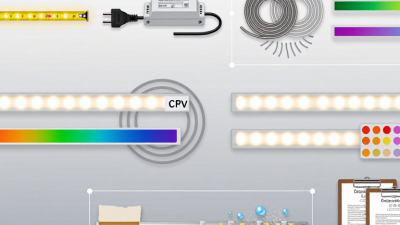
LED Strip Lights can transform a dark shelf, display case, or kitchen edge with a clean line of light. Yet a bright product photo reveals little about its performance. Buyers must compare output per metre, colour consistency, heat management, and driver compatibility—not just wattage or price. Small details matter.
The U.S. Department of Energy’s 2019 Energy Savings Forecast of Solid-State Lighting projected that LED lighting could save about 569 terawatt-hours annually by 2035 against its modeled baseline. This estimate covers general illumination, not strip lights alone. It still shows why efficiency claims deserve careful checking. For strips, ask for measured lumens per metre, efficacy, colour-rendering data, and test conditions. A high lumen figure can disappoint when a diffuser softens the beam or a long run suffers voltage drop.
Dr. James Brodrick, who led the U.S. DOE’s Solid-State Lighting program, has emphasized evaluating lighting as a complete system rather than judging the LED component alone. That principle matters here: tape, power supply, controls, profile, and installation all affect the result. Not every supplier provides equally detailed evidence. That is worth noticing. This guide’s ten buying tips will help global buyers examine specifications, colour temperature, CRI, voltage, dimming, IP rating, adhesive, thermal design, certification documents, and supplier support. Requirements and test methods vary by market, so confirm local needs before ordering. Even then, a sample run is wiser than trusting a polished catalogue.
Read more »
 By:Ethan
- November 11, 2026
Why Choose LED Light Strips for Your Business?
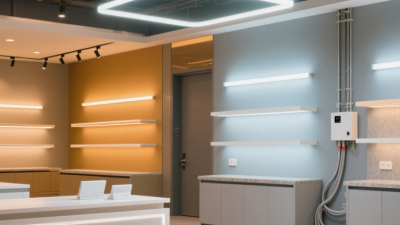
Lighting influences how customers experience a business, from the warmth of a hotel reception to the clear displays in a retail shop. A well-planned LED Light Strip installation can highlight shelves, brighten counters, and add subtle detail beneath cabinets or along stairs. It may also use less electricity than comparable older lighting, though actual savings depend on operating hours, product quality, and local energy costs. Details matter.
Choosing a strip is not just about color or price. Check brightness, color temperature, dimming compatibility, heat management, and the protection rating for the installation area. A damp kitchen or covered outdoor sign needs different protection from a dry office display. Good planning also considers the power supply, mounting surface, cable routes, and access for future maintenance. Small oversights can lead to uneven light or difficult repairs. Not every space needs the brightest option.
For business owners, the strongest choice balances appearance, reliability, and total cost over time. Ask suppliers for product specifications and confirm that the proposed setup suits your operating conditions. Where possible, test a short sample before fitting strips across an entire room. The result may look different from a catalog image. That is worth remembering. LED strips can improve a space, but they are not a fix for poor lighting design; thoughtful placement and realistic expectations matter just as much.
Read more »
By:Ethan
- November 11, 2026
Who Is the Best Flexible LED Strip Manufacturer in China?
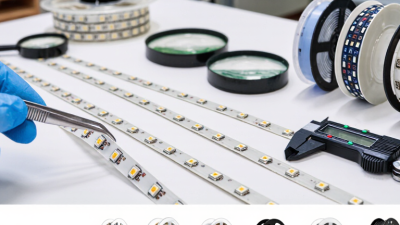
Choosing a Flexible LED Strip manufacturer in China requires more than comparing prices or browsing product photos. Buyers need to assess color consistency, thermal management, adhesive performance, dimming compatibility, and quality control. A strip that looks bright on a showroom reel may behave differently after hours inside a warm aluminum channel. Small details matter.
The market is expanding, but the numbers need context. Grand View Research estimated the global LED lighting market at USD 75.3 billion in 2023 and projected USD 135.2 billion by 2030. That report covers LED lighting broadly, not flexible strips alone, so it signals demand rather than proving any supplier’s capability. Former U.S. Department of Energy lighting program manager Dr. James Brodrick has emphasized evaluating lighting as a complete system, not just by its light source. I cannot verify a verbatim quotation from him specifically about flexible LED strips, so attributing one here would be misleading.
This guide compares manufacturers through practical evidence: documented testing, production consistency, customization options, and support after delivery. Ask for sample reels, inspect solder joints and cut marks, and confirm how specifications are measured. Then check whether the supplier can explain failures plainly. Rankings can help, but they are not proof. A perfect specification sheet is only a starting point; real performance deserves scrutiny.
Read more »
By:Ethan
- November 11, 2026