TÜV Rheinland Verified Manufacturer Exporting to North America & Europe [email protected]
EN
0%

Lighting influences how customers experience a business, from the warmth of a hotel reception to the clear displays in a retail shop. A well-planned LED Light Strip installation can highlight shelves, brighten counters, and add subtle detail beneath cabinets or along stairs. It may also use less electricity than comparable older lighting, though actual savings depend on operating hours, product quality, and local energy costs. Details matter.

Choosing a strip is not just about color or price. Check brightness, color temperature, dimming compatibility, heat management, and the protection rating for the installation area. A damp kitchen or covered outdoor sign needs different protection from a dry office display. Good planning also considers the power supply, mounting surface, cable routes, and access for future maintenance. Small oversights can lead to uneven light or difficult repairs. Not every space needs the brightest option.

For business owners, the strongest choice balances appearance, reliability, and total cost over time. Ask suppliers for product specifications and confirm that the proposed setup suits your operating conditions. Where possible, test a short sample before fitting strips across an entire room. The result may look different from a catalog image. That is worth remembering. LED strips can improve a space, but they are not a fix for poor lighting design; thoughtful placement and realistic expectations matter just as much.
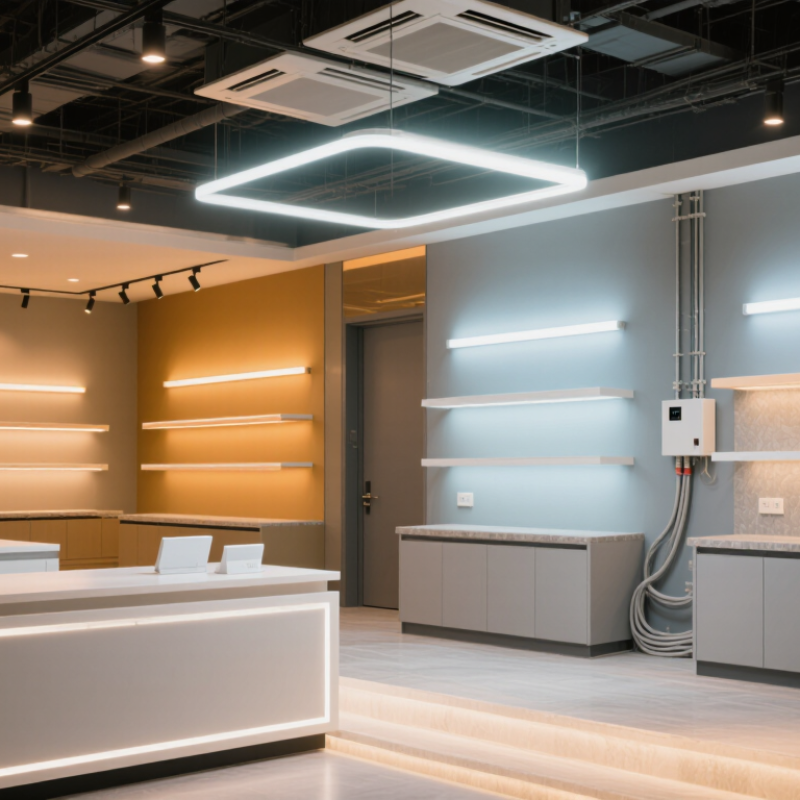
Why Choose LED Light Strips for Your Business?

What LED Light Strips Are and How They Work

An LED light strip is a narrow, flexible circuit board carrying small light-emitting diodes. The board often has adhesive backing and marked cut points. Copper pathways connect the LEDs to a power supply, while onboard resistors help regulate current in many low-voltage designs. Simple parts, but the details matter.

Most commercial strips use direct current, so a driver converts building power to the voltage the strip requires. Some systems also use a controller to adjust brightness, color, or timing. Check that the driver and controller match the strip’s voltage and load. That match matters. A mismatch can cause flicker, uneven output, or premature failure. Longer runs may also appear dimmer at the far end because of voltage drop.

For a business, the right strip depends on where it will sit and what it needs to illuminate. A display shelf may need consistent color, while a damp service area calls for suitable moisture protection. Check the product specifications for brightness, color rendering, and ingress protection, then test a sample in the actual space. A strip can look bright in a photo and still disappoint under store lighting. Heat management is easy to overlook, too; an aluminum channel can help dissipate heat and protect the installation.

Key Benefits of LED Strips in Business Settings

Key Benefits of LED Strips in Business Settings

LED strips offer flexible lighting for shops, cafés, offices, and other commercial spaces. Their slim profile fits beneath shelves, inside display cases, and along counters where bulky fixtures may not work. A well-placed strip can brighten product labels and soften shadows on a work surface. Small details matter. In a bakery, for example, neutral white light can help customers see pastry colors more clearly, while warmer light may suit a relaxed seating area.

Energy use is another practical benefit. Compared with many older incandescent or halogen options, LED strips generally use less electricity for similar light output. They can also last a long time, but actual service life depends on product quality, heat management, and operating conditions. A strip pressed against a poorly ventilated surface may not perform as expected. Dimmers and timers can help businesses adjust brightness and avoid lighting empty rooms at full power.

Installation needs careful planning. Measure the run, check the power supply, and account for voltage drop on longer lengths. Choose a suitable moisture rating for areas near sinks or exposed to cleaning. Test a short section in the real space before ordering for every shelf. That step is easy to skip. I would also compare the light against actual merchandise, since a color that looks pleasant in a catalog can feel wrong under store lighting.

Common Commercial Uses for LED Strip Lighting

LED strip lighting serves many practical roles in commercial spaces. In retail stores, strips can illuminate shelf edges, display cases, and product niches. A soft, even line of light helps shoppers see labels without crowding the merchandise. In restaurants and cafés, strips beneath counters or along ceiling details can add gentle ambient light. They can also highlight a bar front or a menu area. Keep food-preparation surfaces bright with suitable task lighting instead of relying on decorative strips.

Offices and hospitality spaces use LED strips for different needs. Behind reception desks, they create a clear visual focal point. Along stair treads or corridor edges, properly placed lighting can make changes in level easier to notice. In hotels, concealed strips under bed frames or inside wardrobes offer useful, low-glare illumination. Results depend on placement, brightness, and color temperature. A strip that looks warm in a showroom may feel too dim in a large room.

Tips: Measure each run before ordering, and check whether the installation area needs moisture protection. Use compatible power supplies and allow room for heat to dissipate. Test a short section first. It may reveal uneven brightness or an unwanted reflection. Clean, straight installation takes more care than expected, and exposed strips can look unfinished. Consider how staff will access connections for maintenance.

How to Choose Strips for Your Business Needs

Why Choose LED Light Strips for Your Business?
How to Choose Strips for Your Business Needs

Choosing LED strips starts with the job they need to do. A bakery display may need accurate color rendering, while a stockroom needs clear, even light. Check brightness in lumens per meter, color temperature, and color rendering index. For product displays, a higher CRI can help colors look more natural. Warm or cool light also changes how a space feels. Test samples in the actual room if possible; showroom lighting can be misleading.

Match the strip’s protection rating to its location. A dry office and a humid food-preparation area have different needs. Check the product specifications rather than judging protection by appearance. Measure each run and confirm the compatible power supply, dimmer, and controller before ordering. Long runs can lose brightness toward the far end, so installation details matter. A qualified installer can check electrical requirements and help avoid overloaded supplies. It is tempting to choose the brightest option, but excess glare may make a workspace less comfortable.

Tips: Measure twice. Note corners, cut points, and mounting surfaces. Clean the surface before installation, and keep the power supply accessible for maintenance. Save the specification sheet; you may need it later. I would still test a short section first.

Why Choose LED Light Strips for Your Business?

Compare the nominal power draw of a 10-meter LED strip installation at three commonly available wattage ratings. Lower-wattage strips generally suit accent lighting, while higher-wattage options can provide more light; check product specifications and lighting requirements before choosing.

How to choose: Match the strip’s rated watts per meter to your brightness needs, then confirm the power supply can handle the total load. Values shown are calculated as strip length multiplied by nominal watts per meter; actual products vary.

Installation, Control, and Ongoing Maintenance

Why Choose LED Light Strips for Your Business?

A reliable installation starts with a clean, dry mounting surface. Measure each run before cutting, and check the strip’s marked cut points. Dust, grease, and tight bends can weaken adhesion or damage connections. Plan access to power supplies and connectors before fitting strips behind shelves or counters. Test each section before hiding it from view. Test before sealing. For connections to building power, use a qualified electrician and follow the product’s installation instructions.

Tips: Divide long runs into practical zones. Confirm the controller supports the strip type and total electrical load. Keep a small access gap near connectors; it can save time during repairs.

Choose controls that suit daily routines. Dimming helps staff adjust light for changing tasks, while schedules can switch displays on and off consistently. Check controls during setup, especially if several zones need separate settings. A common snag is assuming every dimmer works with every strip. Verify compatibility first.

For ongoing maintenance, inspect strips periodically for lifting edges, dust, loose connectors, or uneven brightness. Clean with a soft, dry cloth when power is off. Replace damaged sections promptly, and keep a simple record of installation dates and repairs. Small checks matter. A missed loose connection can become a frustrating outage.

FAQS

What is an LED light strip?

It is a flexible circuit board with small LEDs, copper pathways, and often adhesive backing. Marked cut points show where it can be trimmed.

How does an LED strip get power?

Most strips use direct current. A driver converts building power to the voltage the strip needs. Check that the driver matches the strip.

What should I check before choosing a strip?

Consider brightness, color temperature, color rendering, and installation location. A display shelf may need natural-looking colors; a stockroom may need even, clear light.

How do I choose a strip for a damp area?

Check its stated moisture protection rating and compare it with the location’s conditions. Appearance alone is not enough. Read the specifications.

Why can a long strip look dimmer at one end?

Voltage can drop along a long run, making the far end appear less bright. Measure the run and confirm the power supply can support it.

Can LED strips become too hot?

Yes. Heat is easy to overlook. An aluminum channel can help dissipate heat and protect the installation.

How can I avoid glare or disappointing colors?

Test a sample in the actual room, under the lighting it will use. A strip may look bright in a photo but feel harsh on a shelf.

What should I do before installation?

Measure the run, note corners and cut points, and clean the mounting surface. Keep the power supply accessible. Test a short section first.

Conclusion

LED light strips use small, energy-efficient diodes arranged along a flexible strip to provide even, adaptable illumination. For businesses, they can help reduce energy use, offer long service life, and make it easier to highlight products, guide visitors, or create a comfortable atmosphere. Common applications include accent lighting in retail displays, task lighting in offices, decorative details in hospitality spaces, and illumination beneath shelves or counters.

Choosing the right LED Light Strip involves considering brightness, color temperature, strip length, durability, and whether the space requires dimming or color adjustments. Plan the layout and power needs before installation, and select suitable controls for convenient daily use. Regularly check connections, clean away dust, and replace damaged sections when needed to keep the lighting consistent and reliable.

Ethan

Ethan

Ethan is a professional marketing specialist who brings a deep understanding of the company’s products and the needs of the people who use them. Through ongoing research and close collaboration with colleagues across the business, he keeps his knowledge current and turns detailed product......