TÜV Rheinland Verified Manufacturer Exporting to North America & Europe [email protected]
EN
0%

Choosing a Flexible LED Strip manufacturer in China requires more than comparing prices or browsing product photos. Buyers need to assess color consistency, thermal management, adhesive performance, dimming compatibility, and quality control. A strip that looks bright on a showroom reel may behave differently after hours inside a warm aluminum channel. Small details matter.

The market is expanding, but the numbers need context. Grand View Research estimated the global LED lighting market at USD 75.3 billion in 2023 and projected USD 135.2 billion by 2030. That report covers LED lighting broadly, not flexible strips alone, so it signals demand rather than proving any supplier’s capability. Former U.S. Department of Energy lighting program manager Dr. James Brodrick has emphasized evaluating lighting as a complete system, not just by its light source. I cannot verify a verbatim quotation from him specifically about flexible LED strips, so attributing one here would be misleading.

This guide compares manufacturers through practical evidence: documented testing, production consistency, customization options, and support after delivery. Ask for sample reels, inspect solder joints and cut marks, and confirm how specifications are measured. Then check whether the supplier can explain failures plainly. Rankings can help, but they are not proof. A perfect specification sheet is only a starting point; real performance deserves scrutiny.
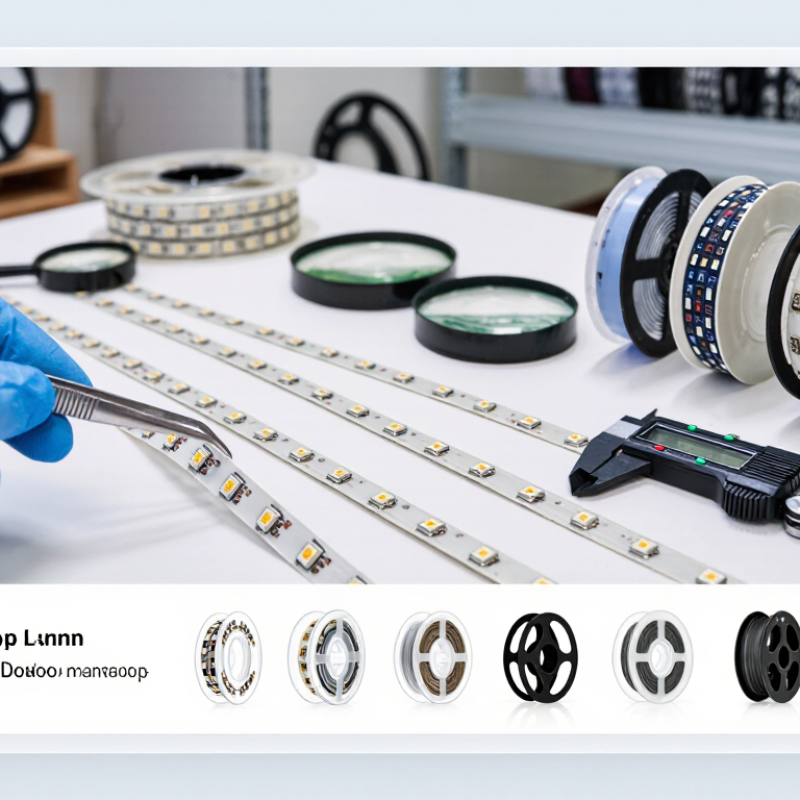
Who Is the Best Flexible LED Strip Manufacturer in China?

What Is a Flexible LED Strip and How Is It Used?

A flexible LED strip is a narrow circuit board carrying small light-emitting diodes, current-limiting components, and an adhesive backing. It bends around corners and can be cut at marked points, making it useful beneath kitchen cabinets, inside shelves, along ceiling coves, or behind display panels. The strip needs a suitable low-voltage power supply. For a clean finish, installers often place it in an aluminum channel with a diffuser. Heat matters. A poorly ventilated channel can shorten component life, while a diffuser softens bright dots but may reduce light output.

The U.S. Department of Energy’s Energy Saver guidance says LED lighting uses at least 75% less energy and lasts up to 25 times longer than incandescent lighting. These figures describe LEDs broadly, not every flexible strip; actual performance depends on product quality, power supply, dimming, and operating temperature. Not quite plug-and-forget. Check the strip’s voltage, wattage per meter, color temperature, and cut spacing before installation. For bathrooms or outdoor areas, verify the product’s ingress-protection rating for the specific exposure. Adhesive can also fail on dusty, rough, or warm surfaces, so clean the mounting area and test a short section first.

What Qualities Define a Leading Flexible LED Strip Manufacturer?

A leading flexible LED strip manufacturer pairs consistent production with clear engineering support. Ask how it controls LED spacing, color consistency, and brightness across production batches. Reliable suppliers can explain their inspection steps, not just promise quality. They should provide accurate electrical specifications, cut-point diagrams, and guidance on heat management. For example, a strip installed in a narrow aluminum channel may need different power planning than one mounted in an open display. Details matter.

Tips: Request a sample reel and test it at the intended voltage. Check whether the color stays even along its length, especially near connectors and cut points. Ask for test records covering output and operating temperature. A neat sample is useful, but it cannot prove every batch will match.

Flexibility also means practical customization. A capable manufacturer can discuss strip width, adhesive performance, waterproofing options, and connector compatibility without glossing over limitations. Ask what changes may affect lead time or minimum order quantities. A detailed answer is more valuable than a quick yes. Some specifications can still be unclear on paper, so confirm them with a written sample approval before production. Check how the supplier handles technical questions after delivery, too. That support can prevent small installation issues from becoming costly delays.

How Are Flexible LED Strips Designed and Manufactured?

Flexible LED strips begin as a circuit, not a roll of lights. Engineers choose a flexible printed circuit board, copper thickness, LED spacing, and resistor values around the intended voltage and bend radius. A narrow pitch creates smoother illumination, but it can increase heat density. That trade-off matters.

Assembly usually places LEDs and components with surface-mount equipment, then solders them through controlled reflow. Manufacturers inspect polarity, solder joints, and spacing before cutting strips to length. Protective silicone or polymer coatings are added when moisture resistance is needed, but coatings can trap heat if poorly designed. A bright sample can still run hot. Thermal testing matters.

A sound design checks more than brightness. It measures power per meter, color consistency, voltage drop, and temperature along the strip, especially near feed points. The U.S. Department of Energy’s 2022 Solid-State Lighting R&D Opportunities report sets a 2035 LED-package efficacy target of 250 lumens per watt. This is a research target, not a guarantee for finished strips. Package efficacy cannot be treated as strip output; optics, circuit losses, and heat reduce performance. Even careful production has weak spots: adhesive may lift on dusty surfaces, and sharp installation bends can damage copper traces. That deserves honest testing.

How Can Chinese Manufacturers Be Compared?

Comparing Chinese flexible LED strip manufacturers requires more than checking advertised brightness. The U.S. Department of Energy’s 2022 Energy Savings Forecast estimated that LEDs represented about 48% of installed U.S. lighting in 2020. That figure covers lighting broadly, not strips alone, but it shows why reliable performance data matters. Ask each supplier for measured lumens per meter, watts per meter, color consistency, and test conditions. Compare results at the same voltage and ambient temperature.

Request LM-80 test data for the LED packages and a TM-21 projection where available. Then test a sample in an aluminum channel: run it for several hours, check for color shift, and measure brightness at both ends. Five-meter strips can reveal voltage drop that a short sample hides. Review copper weight, adhesive behavior, cut spacing, IP test records, traceability, and warranty terms. I would not treat a polished datasheet as proof; real-world sample checks are easy to neglect.

Tip: Ask for the same production batch used in the quotation, plus dated test reports. Check whether the supplier can explain any gap between lab results and your own measurements. Small differences matter. A clear answer is useful; a vague assurance is not.

How Should Buyers Select the Right Manufacturer?

A buyer should begin with the actual installation conditions, not a product headline. Check brightness, color temperature, voltage, strip width, and cut intervals against project drawings. For a narrow cabinet, even a few millimeters can affect fit. Measure twice. Request a sample and test it with the intended dimmer, power supply, and mounting surface. Test it first.

Review electrical and thermal data, including wattage per meter and recommended heat dissipation. A strip that looks bright on a bench may run hotter inside an aluminum channel. Confirm how the manufacturer controls LED color consistency, soldering, and batch traceability. Request inspection records and applicable test reports, then compare them with the exact model. A polished PDF is not proof.

Ask about adhesive performance on the intended surface, environmental ratings, warranty terms, and replacement procedures. Clarify lead times, minimum order quantities, and how specification changes are communicated after approval. Discuss failure cases with the technical team, not only best-case performance. Some details may remain uncertain until installation, so record assumptions and test results before placing a large order.

FAQS

What is a flexible LED strip?

It is a narrow circuit board with small LEDs, current-limiting components, and adhesive backing. It bends around corners and can be cut at marked points. Check the cut spacing before trimming.

Where can flexible LED strips be installed?

Common locations include beneath kitchen cabinets, inside shelves, along ceiling coves, and behind display panels. Measure the space carefully; a few millimeters can affect the fit. Measure twice.

Why use an aluminum channel and diffuser?

An aluminum channel can help manage heat, while a diffuser softens visible light dots. A poorly ventilated channel may shorten component life. The diffuser can also reduce light output.

How should I choose a power supply?

Match the supply to the strip’s voltage and wattage per meter. Also check compatibility with the intended dimmer. A strip may run hotter inside a channel than on a workbench.

What should I test before installation?

Test a sample with the intended power supply, dimmer, and mounting surface. Check brightness and color consistency near connectors and cut points. Test it first.

How do I check whether a strip suits outdoor or bathroom use?

Verify its ingress-protection rating for the specific exposure. Clean the mounting surface before applying adhesive, especially if it is dusty or rough. Warm surfaces can weaken adhesion, too.

What should I ask a manufacturer before ordering?

Request accurate electrical specifications, cut-point diagrams, thermal guidance, and inspection records. Ask about color consistency, batch traceability, lead times, and replacement procedures. A quick promise is not enough.

Does a sample reel prove that every production batch will match?

No. A neat sample can help reveal problems, but it cannot guarantee batch consistency. Request written sample approval and applicable test records. Some details may only become clear during installation.

Conclusion

A Flexible LED Strip is a slim, adaptable lighting solution that can be bent or cut to suit many spaces, including shelves, display areas, ceilings, and furniture. Its performance depends on more than brightness: reliable strips should offer consistent color, efficient power use, suitable protection for their environment, and a durable design. Leading manufacturers support these qualities with careful component selection, precise assembly, and thorough testing.

When comparing Chinese manufacturers, buyers can look at product range, customization options, production capabilities, quality-control procedures, communication, and after-sales support. Understanding how a strip is designed and manufactured can help clarify differences in materials, circuit construction, heat management, and testing standards. Before choosing a supplier, define the project’s lighting requirements, installation conditions, order volume, and budget. Request clear specifications and samples where appropriate, then compare suppliers against the same criteria to select a dependable manufacturing partner.

Ethan

Ethan

Ethan is a professional marketing specialist who brings a deep understanding of the company’s products and the needs of the people who use them. Through ongoing research and close collaboration with colleagues across the business, he keeps his knowledge current and turns detailed product......