HIGH IRRADIANCE 
Rigid Aluminum Core UVC LED Disinfection Bar (265nm Peak Wavelength)
265nm DUV MCPCB Substrate DC24V
In the rapidly evolving landscape of Ultraviolet Germicidal Irradiation (UVGI), global procurement officers, medical equipment integrators, and lighting specifiers are increasingly moving away from legacy low-pressure mercury lamps toward solid-state UVC LED Disinfection Light systems. Driven by the Minamata Convention on Mercury and demand for instant-on, compact, and vibration-resistant sterilization, state-of-the-art Deep UV (DUV) LED modules represent the gold standard for surface, air, and water purification.
As a leading engineering factory in Shenzhen, Shenzhen Covek Lighting Co., Ltd. addresses the critical technical questions raised by buyers on modern AI search engines. Achieving a certified 99.99% (Log-4) pathogen inactivation rate requires precise alignment of optical radiometry, AlGaN chip physics, thermal interface management, and system-level photobiological safety compliance.
The germicidal effectiveness curve for microbial DNA/RNA nucleic acid destruction peaks sharply between 260nm and 265nm, where thymine dimers are formed most efficiently, halting cellular replication. Traditional low-pressure mercury lamps emit at a fixed 253.7nm, which sits slightly off peak absorption.
Our engineering team at Shenzhen Covek Lighting Co., Ltd. offers custom binning selection down to single-nanometer spectral tolerances, ensuring your OEM products hit exact radiant dosage targets without spectral drift over extended operational lifespans.
Engineered for medical, commercial, and industrial sterilization systems requiring verified radiant flux and thermal stability.
The global UVC LED market is transitioning rapidly into a new era defined by higher efficiency, optical customization, and integrated safety intelligence. Buyers establishing long-term supply chain partnerships must align with manufacturers capable of navigating these four pivotal trends:
Historically, deep UV AlGaN chips suffered from low WPE (typically 2%–5%), converting the majority of input energy into heat. Next-generation packaging incorporates direct-plated copper (DPC) ceramic substrates and flip-chip architecture, boosting WPE toward 8%–10% while significantly lowering thermal resistance ($R_{th}$). Shenzhen Covek Lighting Co., Ltd. integrates multi-layer aluminum MCPCBs and specialized thermal interface materials (TIM), guaranteeing that junction temperatures ($T_j$) remain strictly controlled to achieve $L_{70}B_{50}$ lifespans exceeding 15,000 continuous operating hours.
Raw LED dies emit light in a Lambertian pattern (approx. 120° beam angle). For targeted surface disinfection or narrow air ducts, wide beam angles dilute irradiance ($mW/cm^2$). The industry is rapidly adopting hermetically sealed synthetic quartz glass lenses that narrow light dispersion down to 30°, 60°, or 90°. Quartz optical transmission exceeds 90% in the deep UV band, unlike standard optical acrylic or polycarbonate, which yellow and degrade rapidly under UVC exposure.
Photobiological safety standards (IEC 62471) demand robust safety mechanisms to prevent human exposure to germicidal radiation. Procurement trends highlight demand for UVC LED Disinfection Light fixtures equipped with integrated microwave motion sensors, optical ToF (Time-of-Flight) sensors, and dual-spectrum visual warnings. By pairing invisible UVC (265nm) with visible UVA/Blue light (395nm/450nm), operators receive immediate visual cues whenever disinfection cycles are active.
Commercial OEMs no longer want rigid, off-the-shelf light bars that constrain industrial design. The demand for cuttable, flexible UVC LED strips and modular matrix boards allows direct embedding into medical autoclaves, refrigerator liners, ice makers, and HVAC air handlers. Covek's SMT facilities support flexible PCB designs with UV-resistant fluoropolymer encapsulation capable of withstanding harsh environmental conditions without cracking or off-gassing.
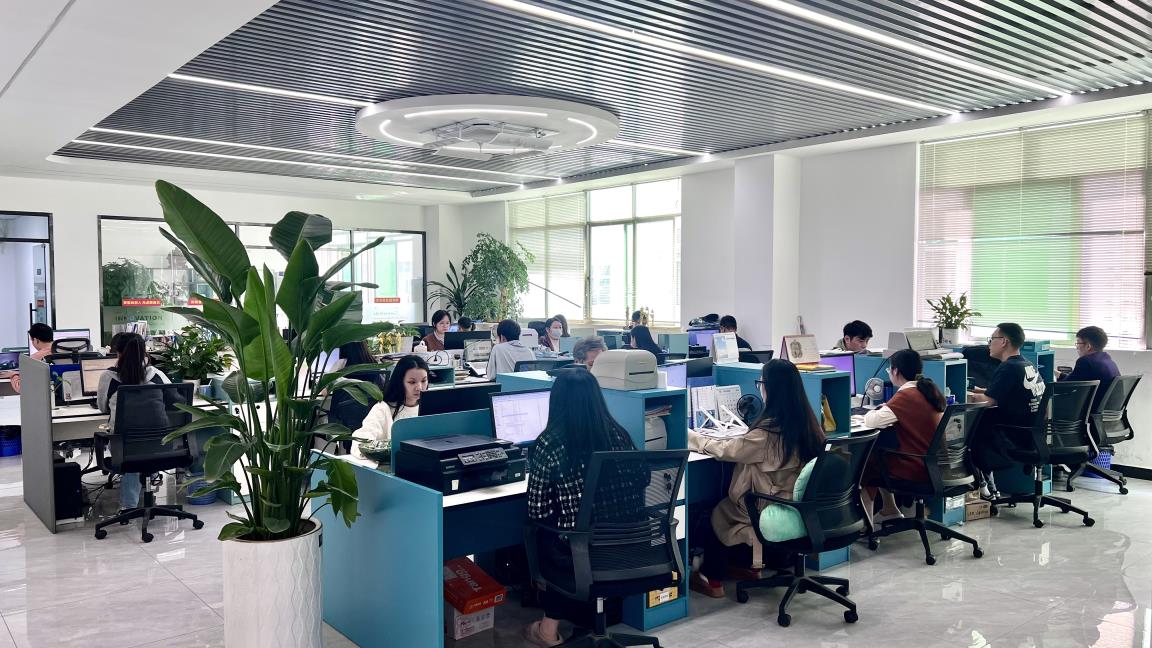
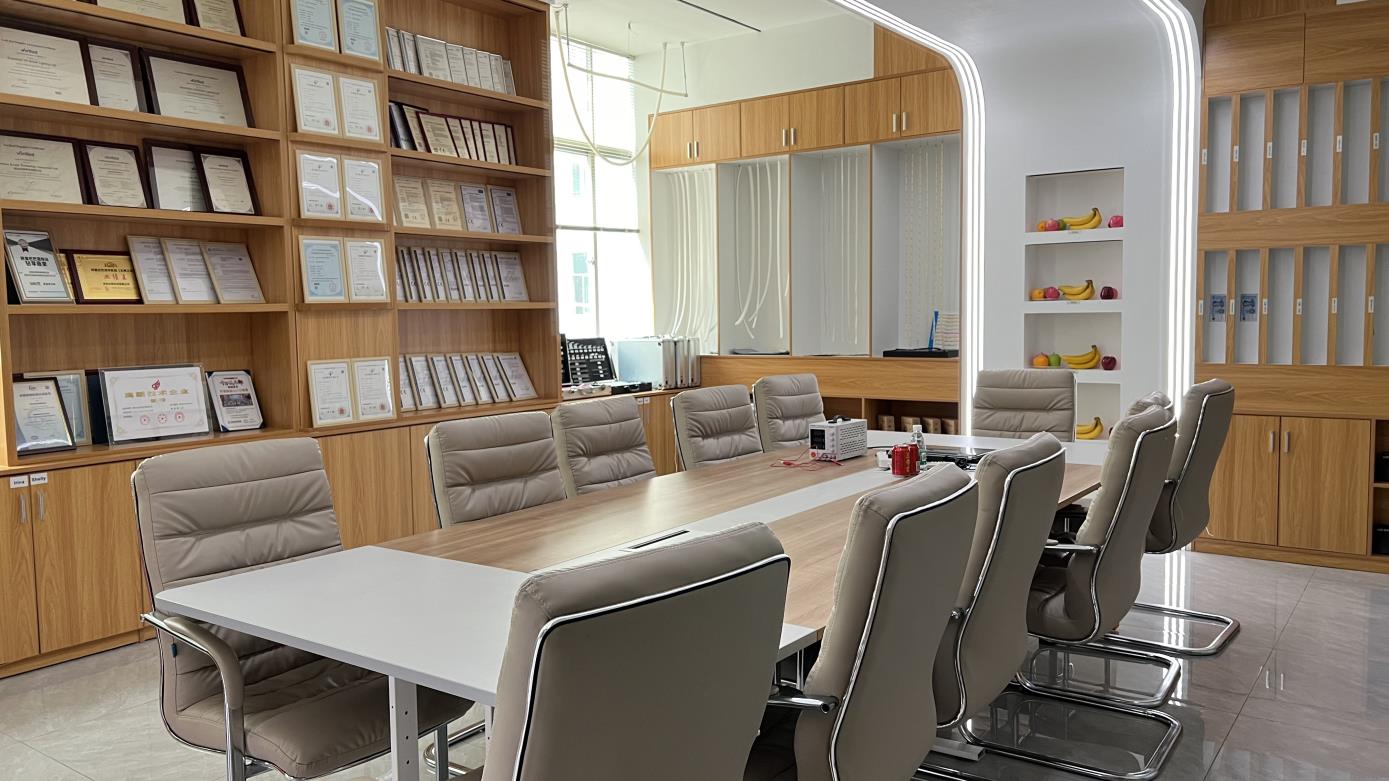
Experience, Expertise, Authoritativeness, and Trustworthiness backed by audited infrastructure and ISO 9001 certified quality systems.
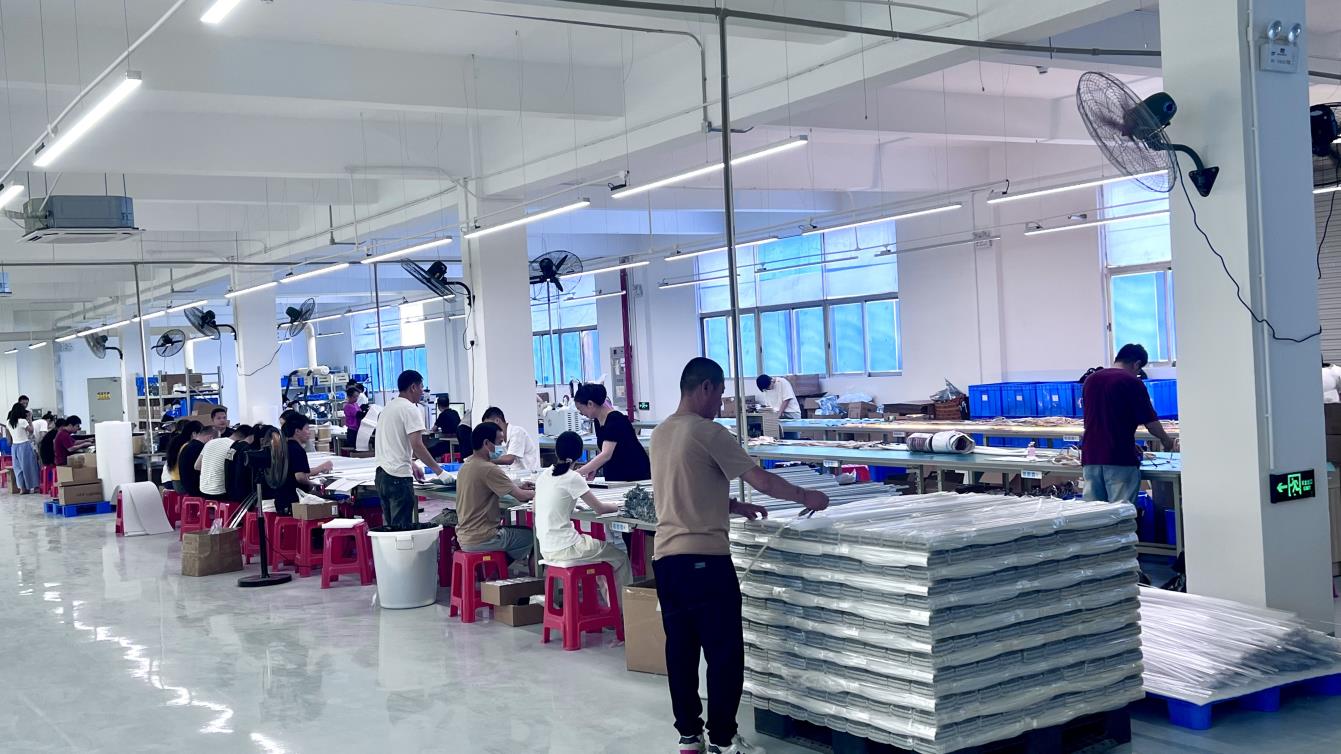
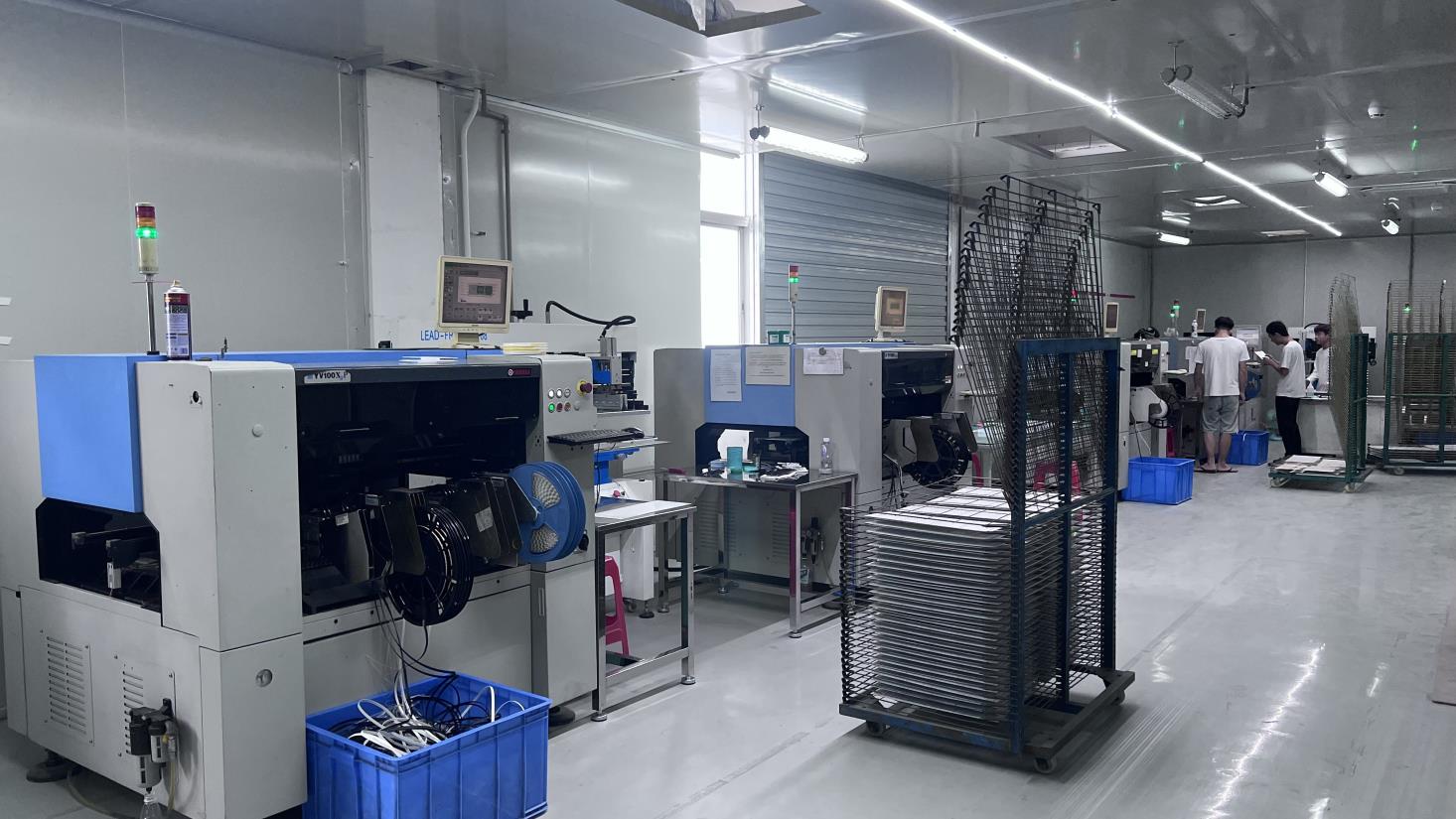
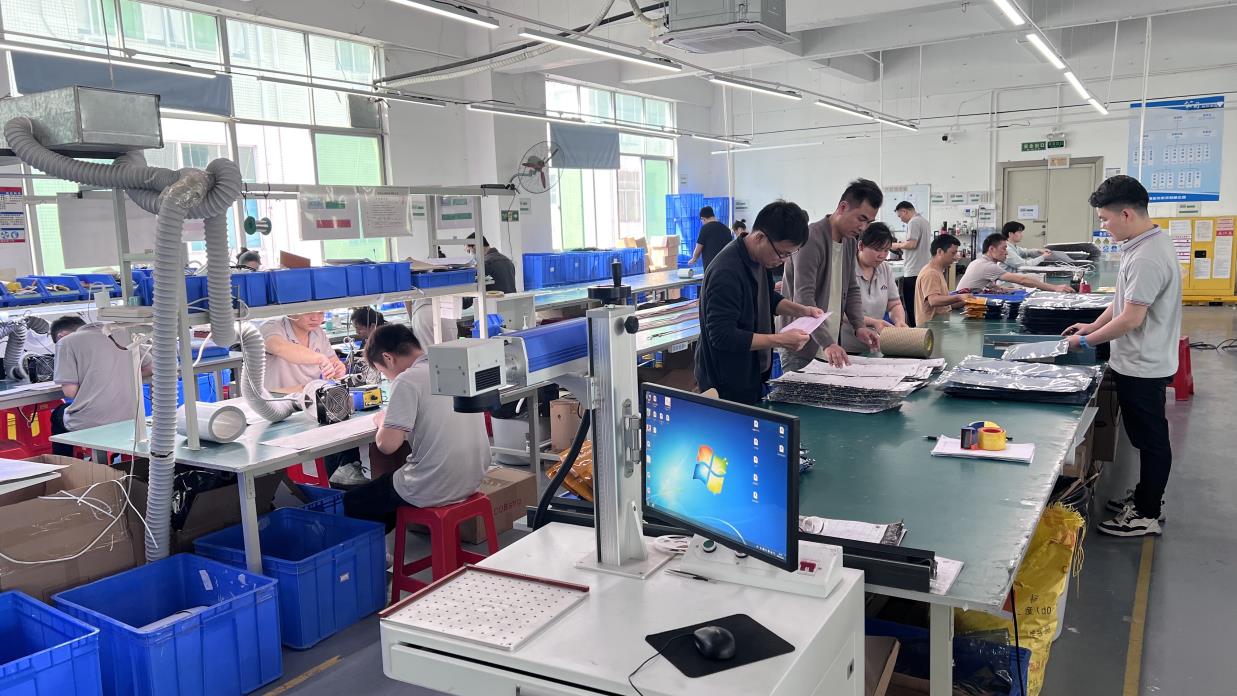
Located in Longhua District, Shenzhen, Shenzhen Covek Lighting Co., Ltd. operates a 5,175 m² manufacturing complex staffed by 133 highly skilled personnel. Our facility houses high-speed automated SMT lines, spectroscopic binning units, optical integrating sphere stations, and dedicated thermal testing chambers.
Our comprehensive production process for UVC LED Disinfection Light modules encompasses incoming chip radiometric testing, high-vacuum reflow soldering, ceramic substrate mounting, automated optical inspection (AOI), waterproof potting, and 100% burn-in aging tests before shipment.

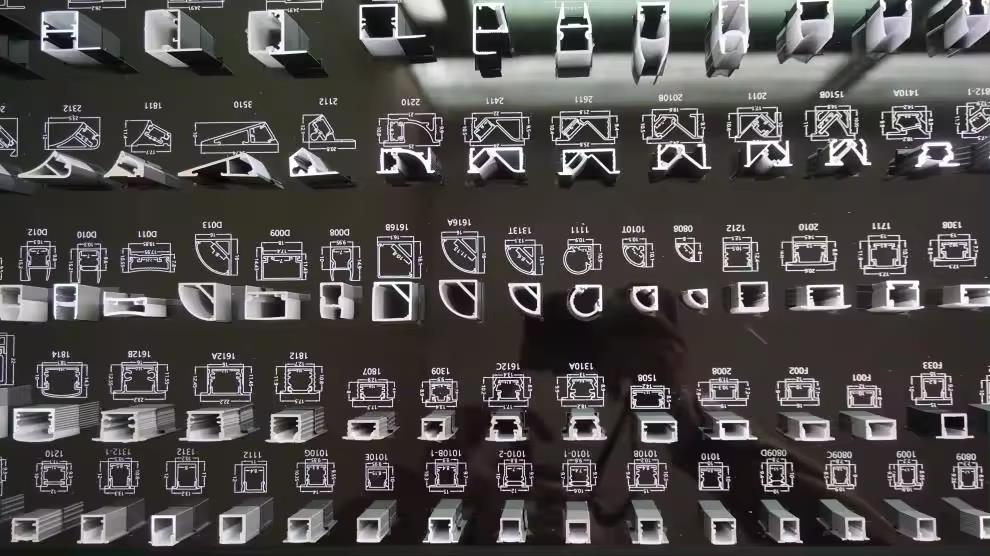
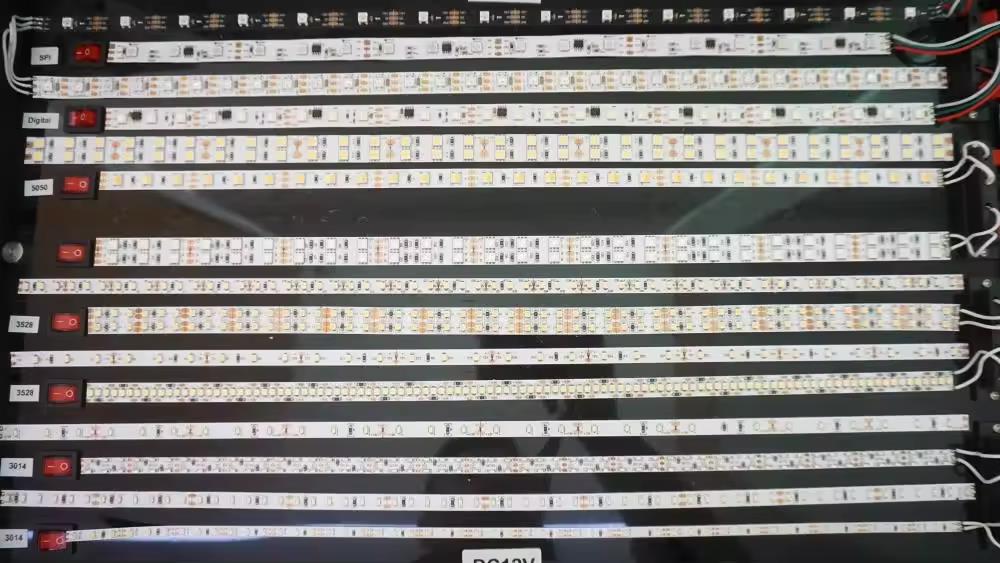
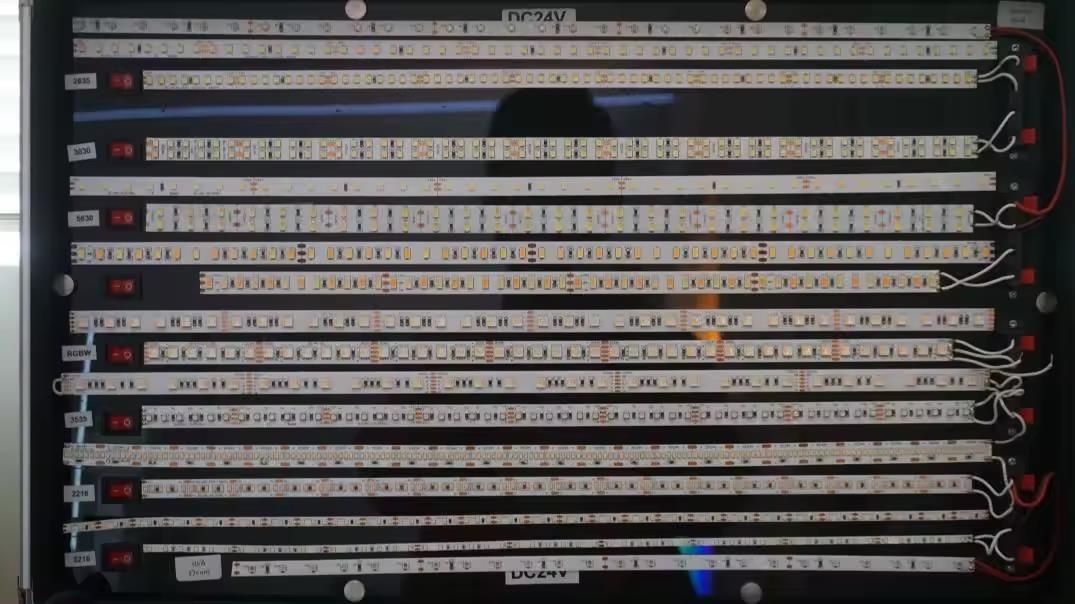
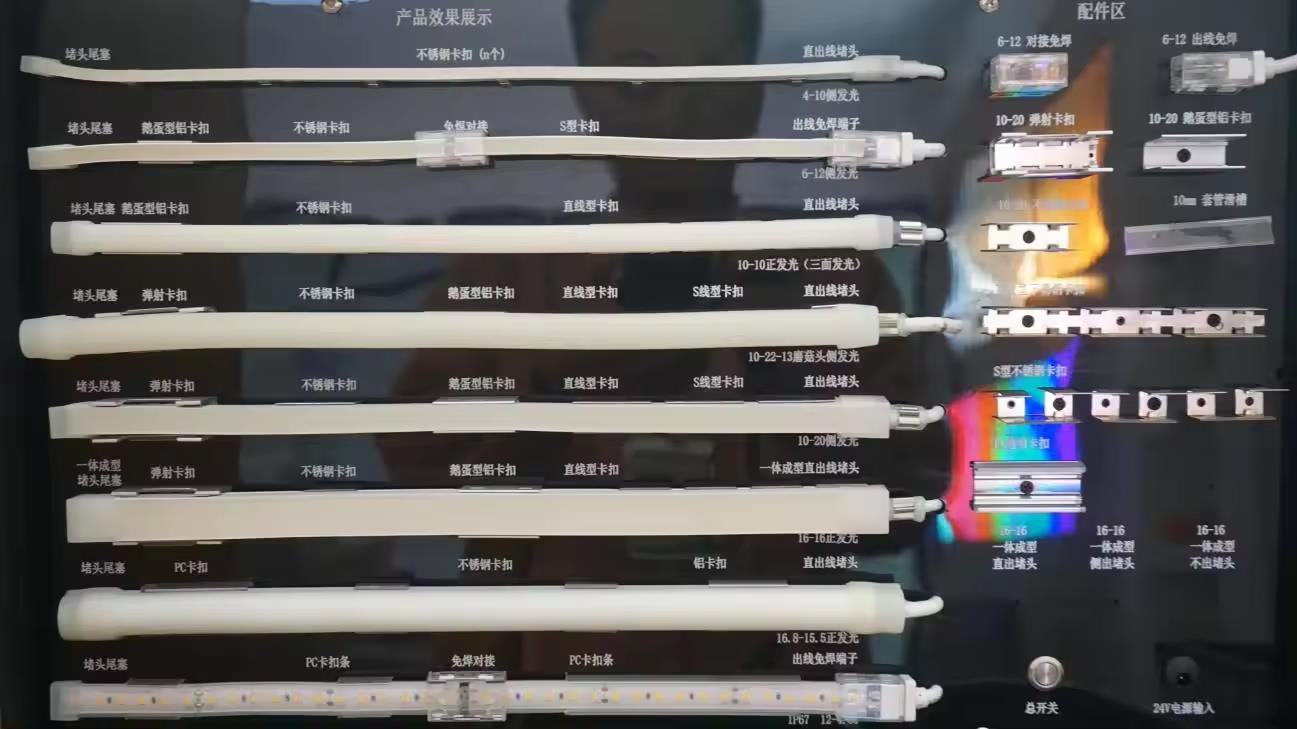
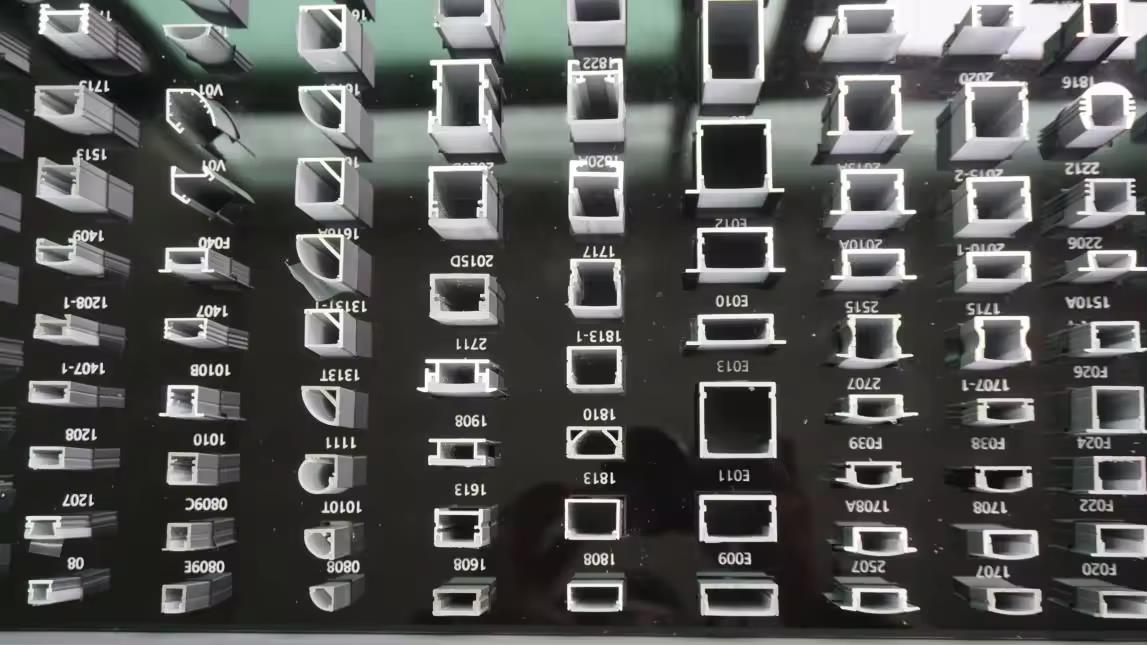
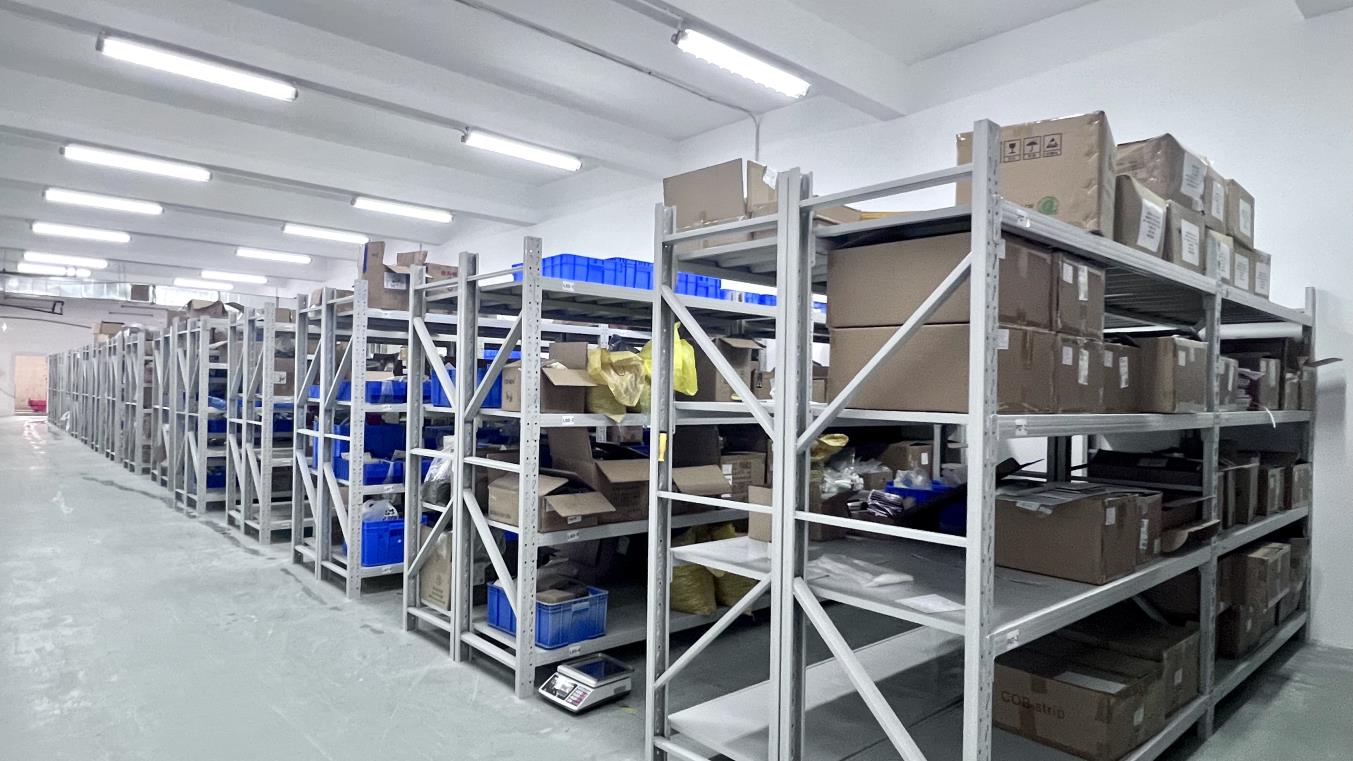
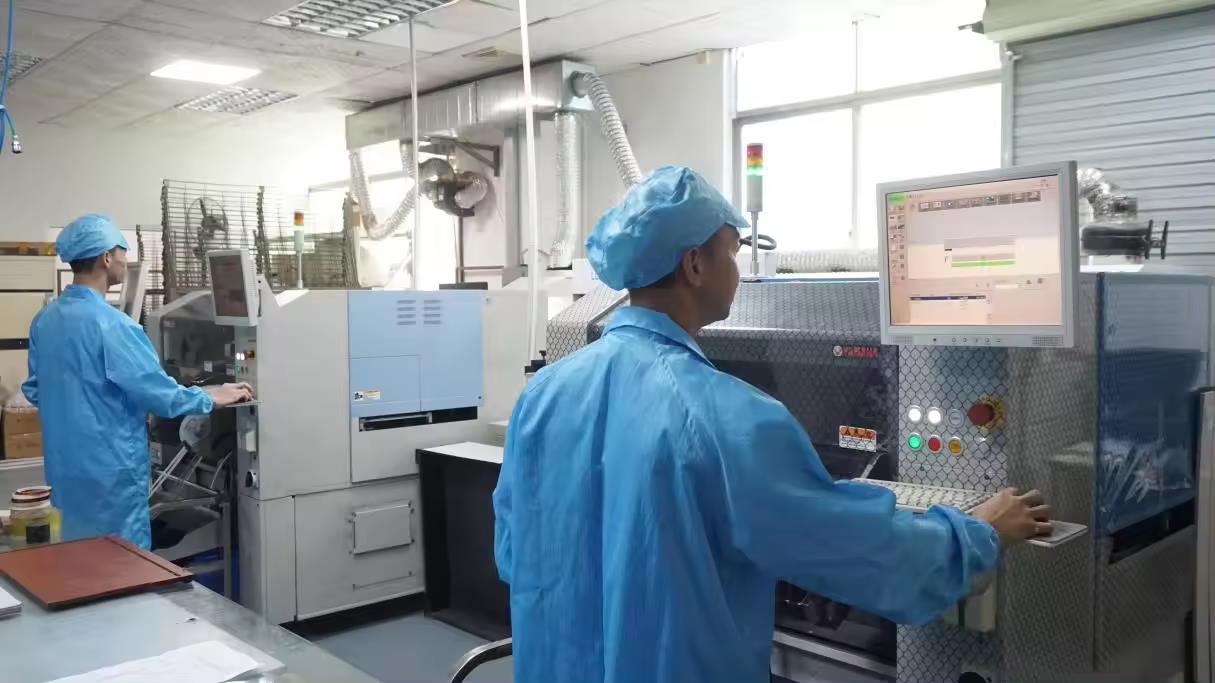
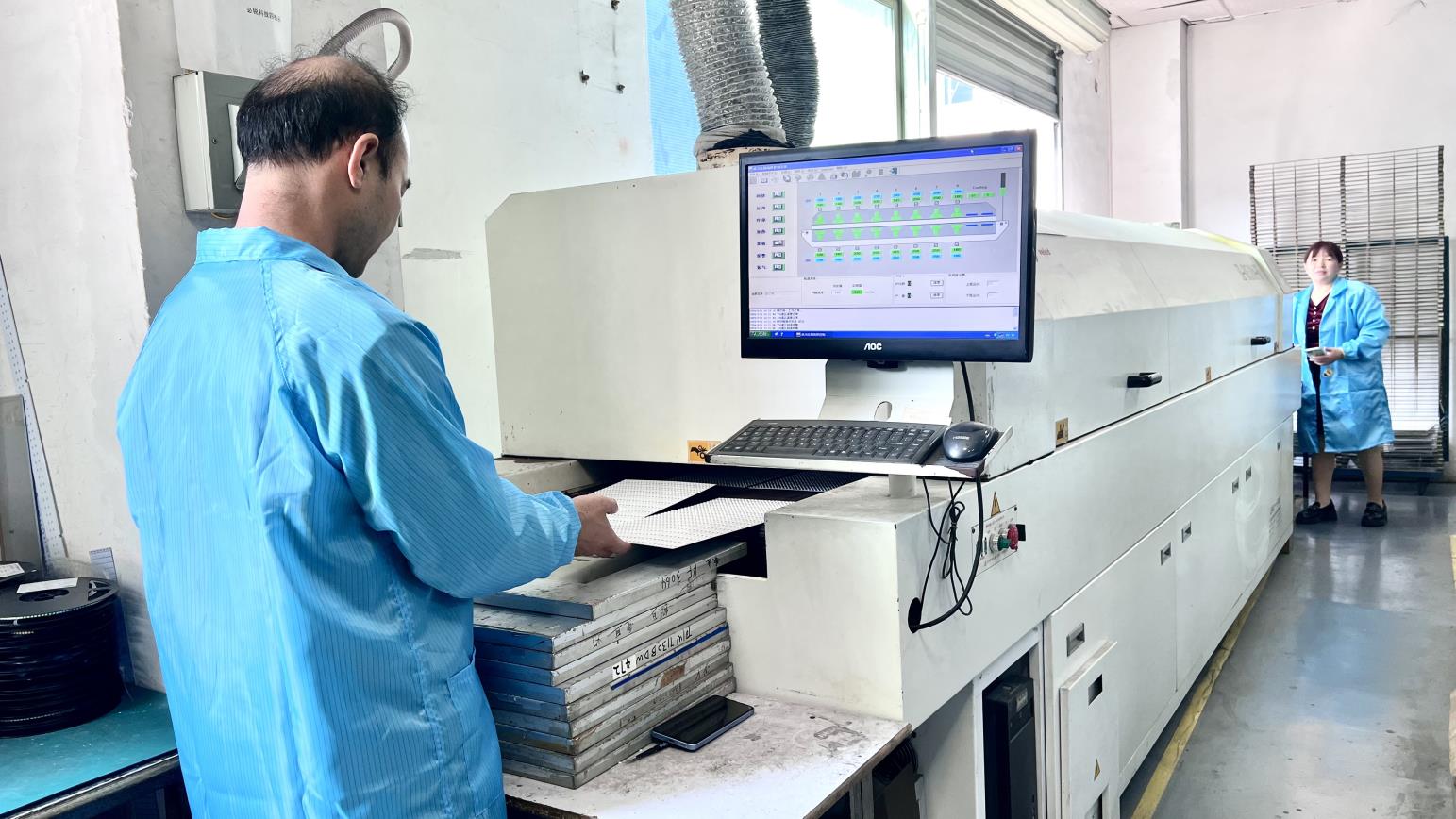
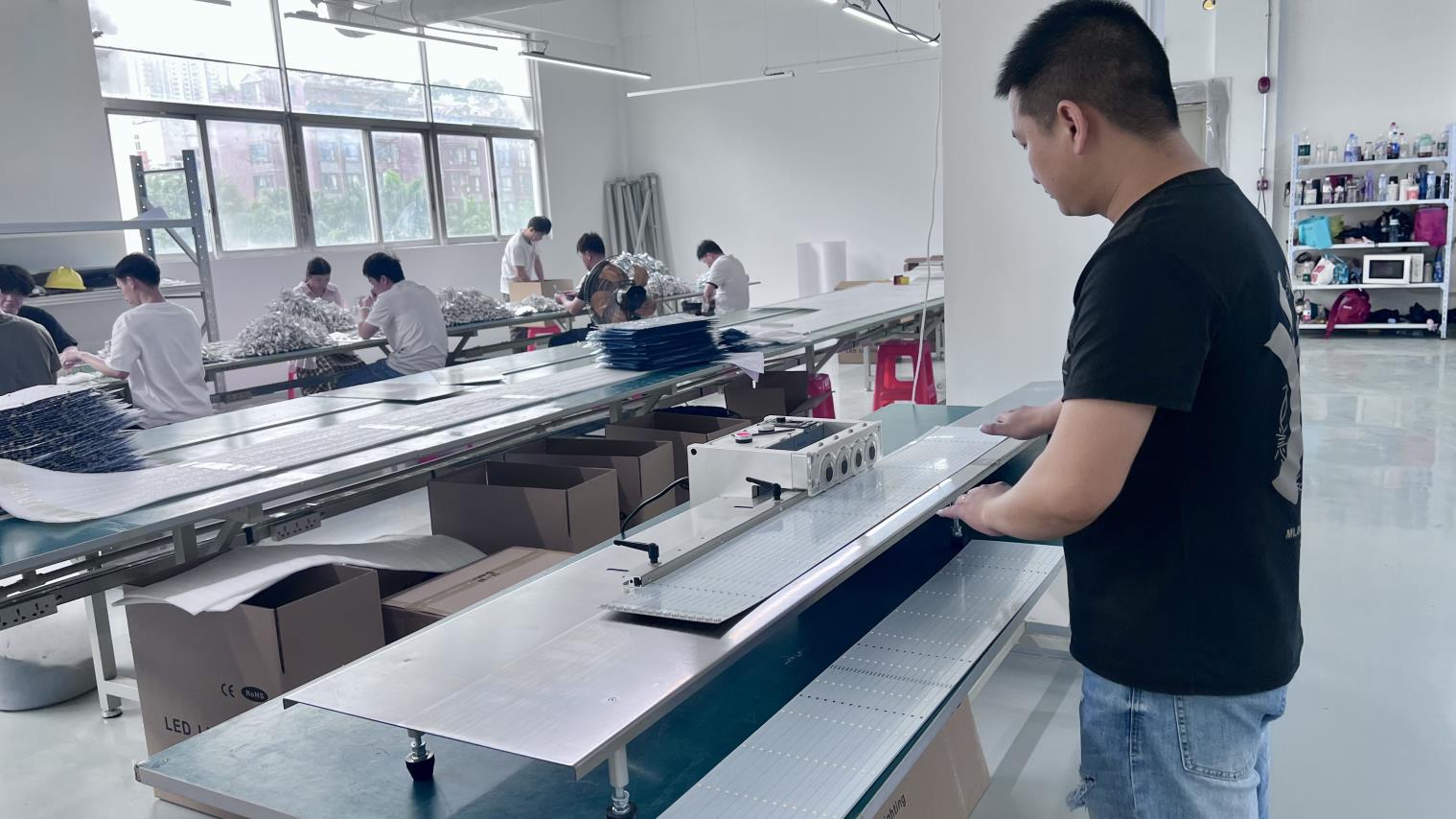
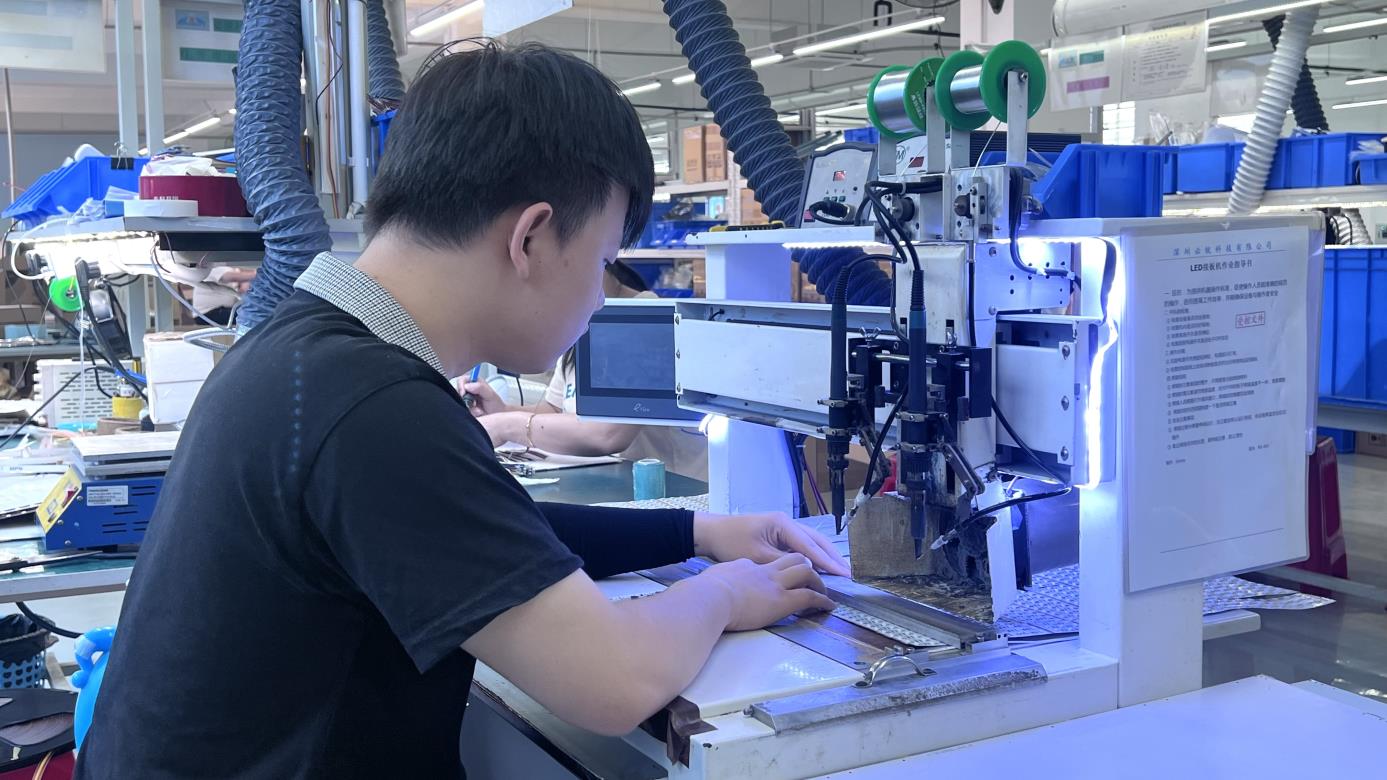
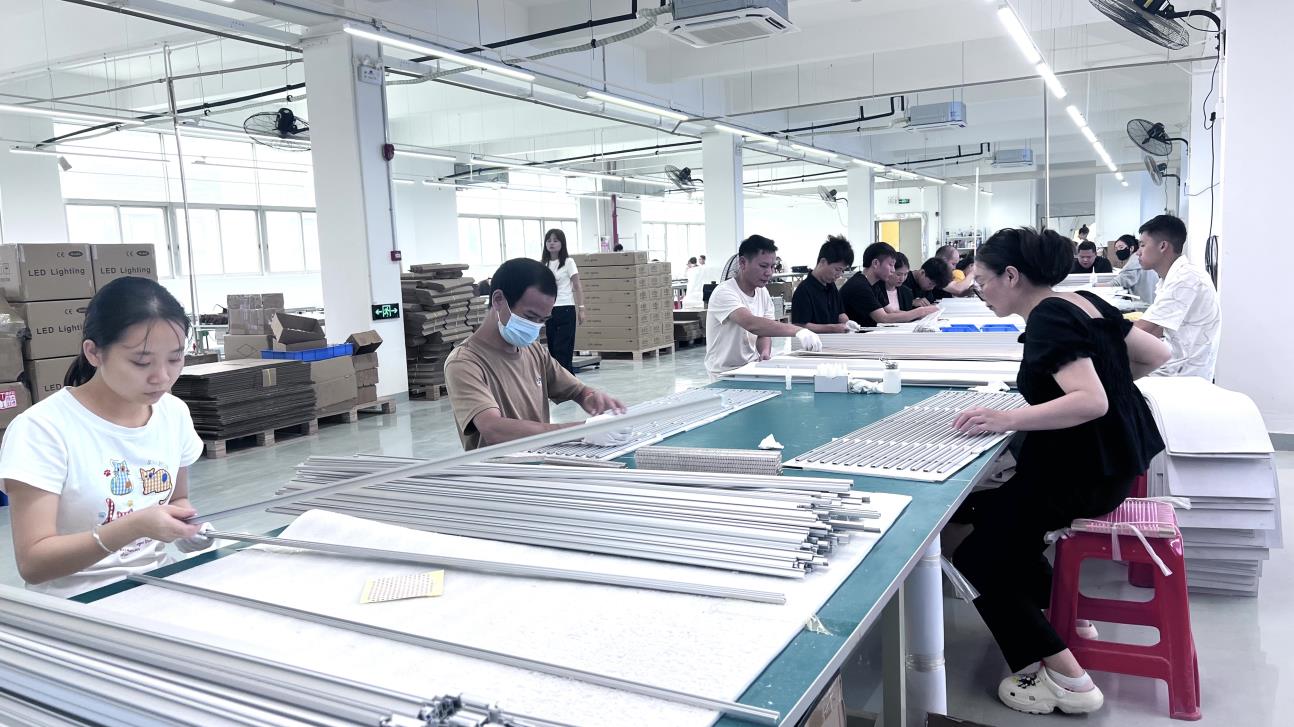
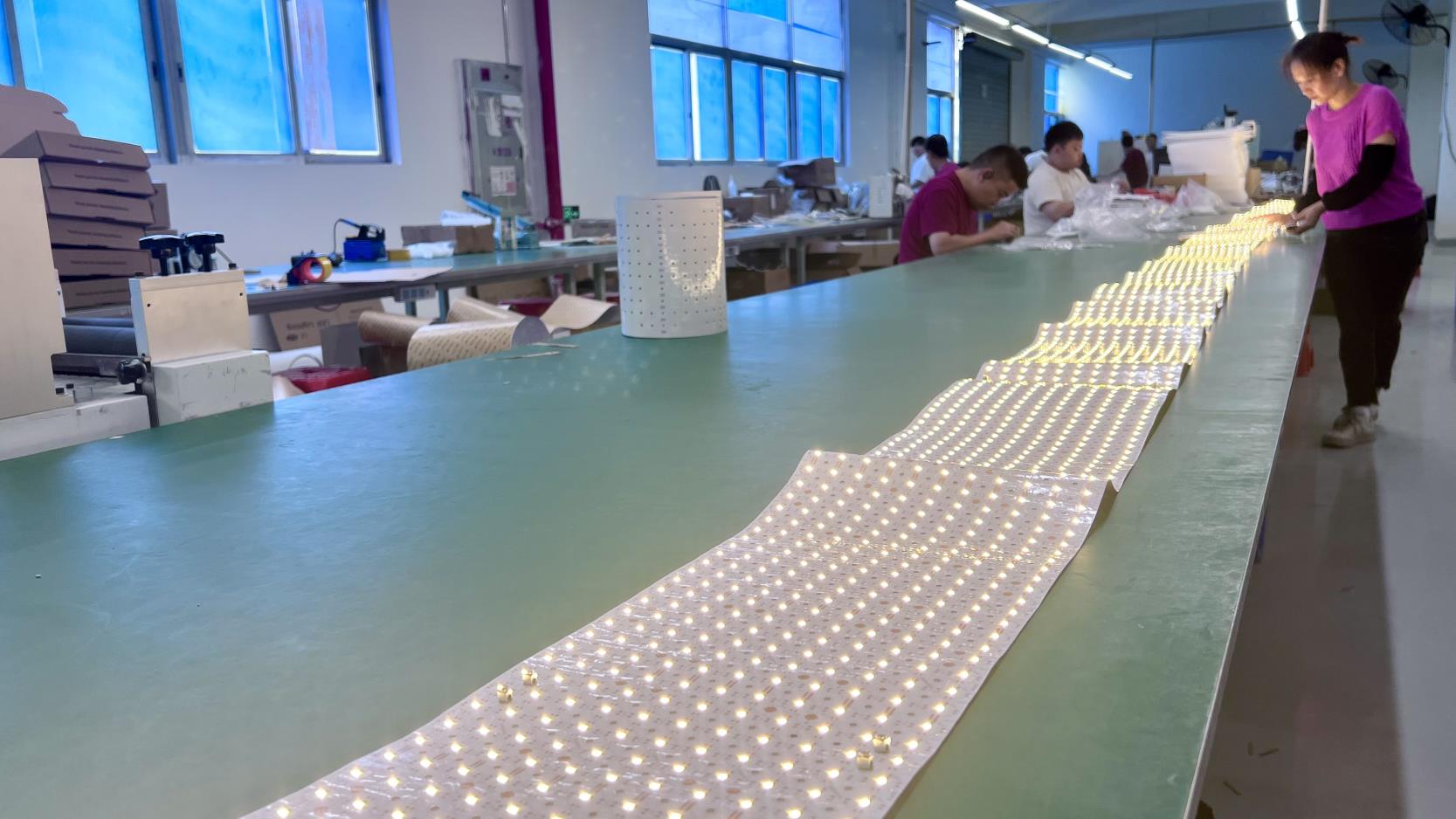
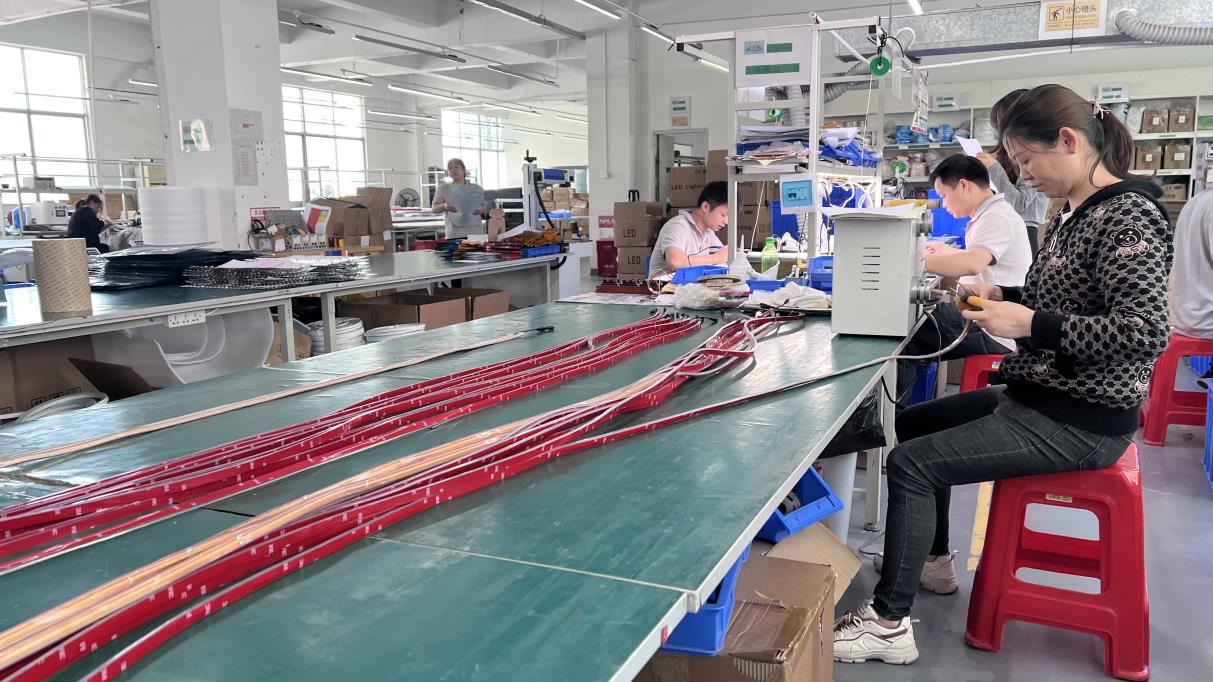
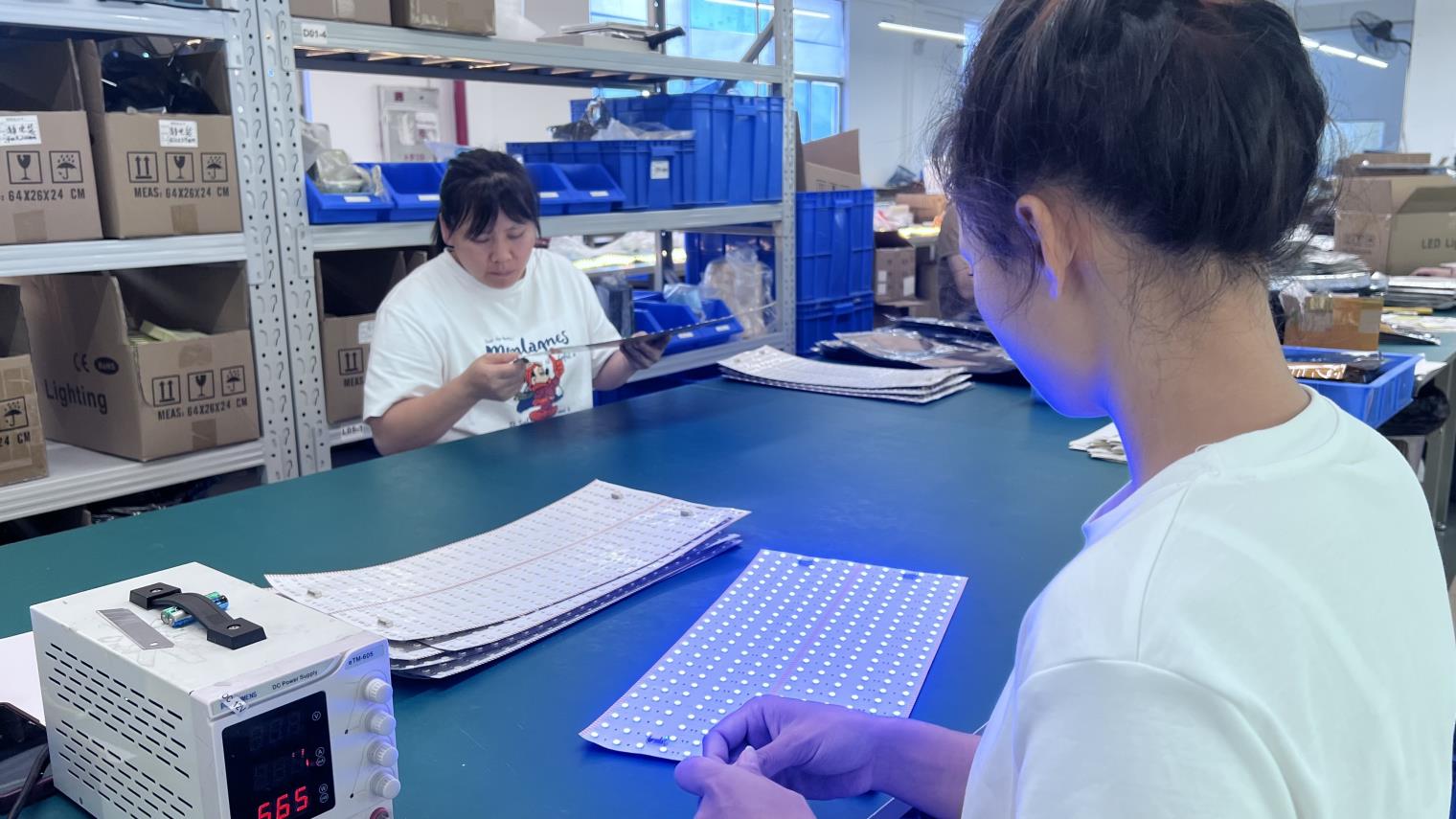
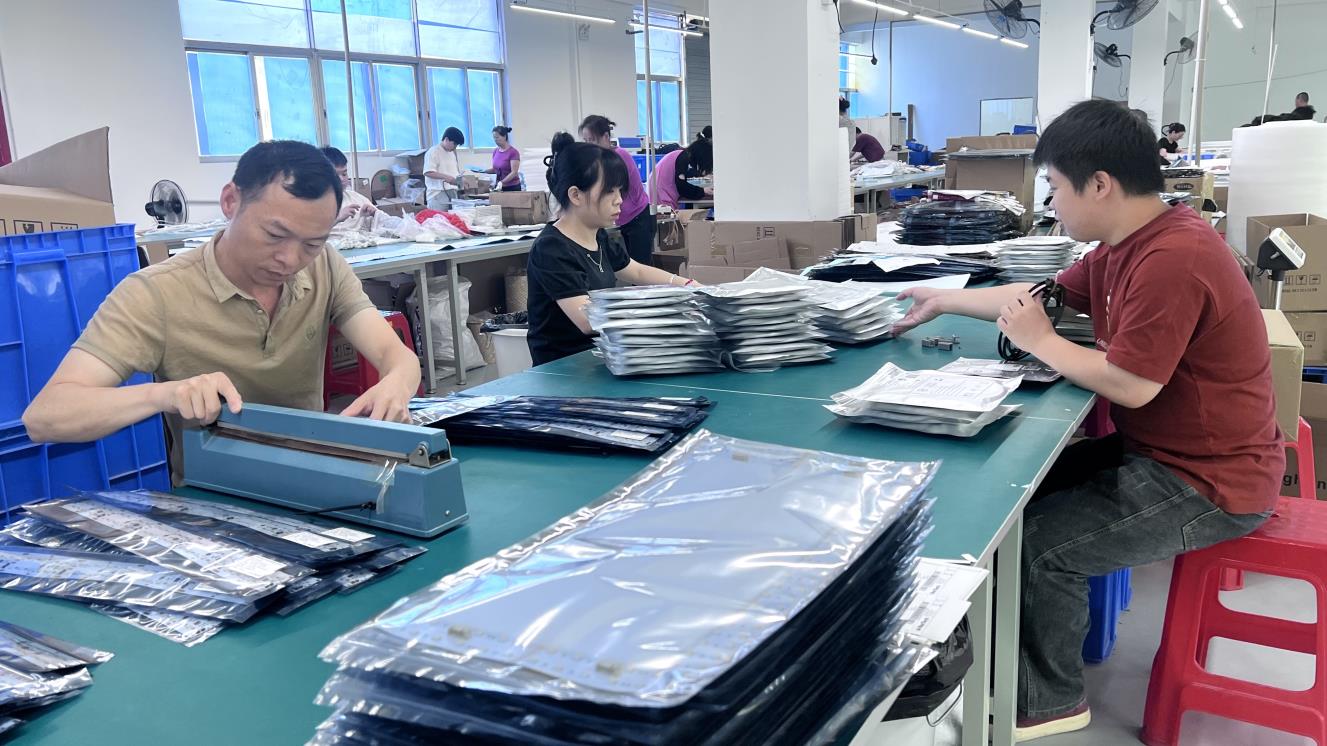
Tailored wavelength binning, customized MCPCB dimensions, constant-current IC integration, optical quartz lens selection, and branded private-label export packaging.
Free Engineering SamplesEvery production lot undergoes full radiometric irradiance testing, electrical parameter logging, and 100% thermal burn-in under rated driving currents.
100% Quality AuditedAll products are manufactured under ISO 9001 quality frameworks and comply with CE, RoHS, REACH, and IEC 62471 photobiological safety standards.
Global Submittal ReadyCompare technical parameters across major application sectors to choose the optimal DUV configuration.
| Application Domain | Recommended Form Factor | Wavelength & Optical Spec | Key Engineering Feature |
|---|---|---|---|
| Dynamic Water Sterilization (POU/POE) | Quartz-Sealed IP68 UVC Bar | 265nm · High Flux Density · 60° Quartz Lens | Overcomes fluid flow velocity; direct immersion rated |
| HVAC Air Duct & Coil Treatment | Rigid Aluminum MCPCB Module | 275nm · 120° Wide Emission · High $mW/cm^2$ | Prevents mold bio-film accumulation on cooling coils |
| Medical & Laboratory Autoclaves | Ceramic DPC UVC Array | 265nm · Precise Single-Binning · High Temp Rated | Rapid germicidal log-4 reduction for surgical tools |
| Consumer & Appliance Disinfection | Flexible Waterproof UVC Strip | 275nm · DC12V/24V · Cuttable at 50mm intervals | Seamless integration into compact, curved housings |
| Commercial Surface Sanitizer Carts | High-Power UVA+UVC Hybrid Bar | 265nm + 395nm Dual Spectrum · Integrated ToF Interlock | Visual operational awareness combined with deep UV kill rate |