Featured Commercial LED Lighting Portfolio
Factory-direct engineering specifications for coastal commercial projects, hospitality developments, and high-salinity island environments in Bikenibeu.
Oceanic Climate Challenges & LED Semiconductor Engineering in Bikenibeu
Bikenibeu, situated on the vulnerable atoll string of South Tarawa in Kiribati, presents an unforgiving operating environment for modern solid-state lighting (SSL) hardware. Sourcing managers, municipal engineers, resort developers, and electrical contractors purchasing RGB LED strip lights face a distinct nexus of environmental stress factors: continuous ambient humidity fluctuating between 78% and 88%, year-round ambient thermal exposure averaging 30°C to 34°C, intense tropical ultraviolet (UV) radiation, and aerosolized airborne sodium chloride (salt spray).
Standard off-the-shelf LED strips encased in standard Polyvinyl Chloride (PVC) or low-grade epoxy resins suffer rapid chemical breakdown when deployed in Bikenibeu. PVC jackets undergo UV-induced photo-degradation, turning brittle, yellowing, and micro-fracturing within 6 to 12 months. Once the protective envelope fractures, atmospheric salt fog penetrates the flexible printed circuit board (FPCB), triggering galvanic copper track oxidation, solder joint delamination, and sudden electrical opens.
Extruded Food-Grade Silicone
Our IP67/IP68 waterproof RGB strips utilize co-extruded optical silicone. Unlike PVC, silicone resists saltwater corrosion, withstands high operating temperatures up to 150°C without thermal deformation, and provides 100% UV resistance without discolouration.
DC48V Constant Voltage Architecture
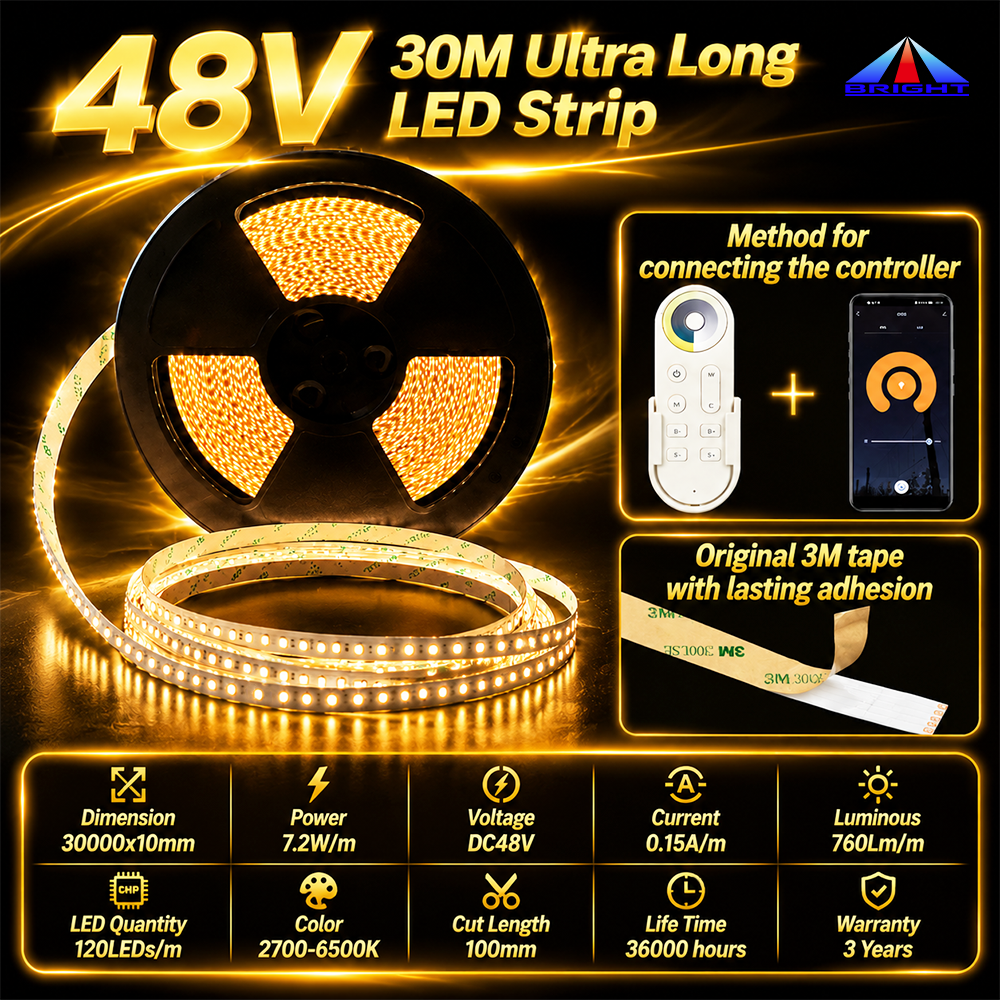
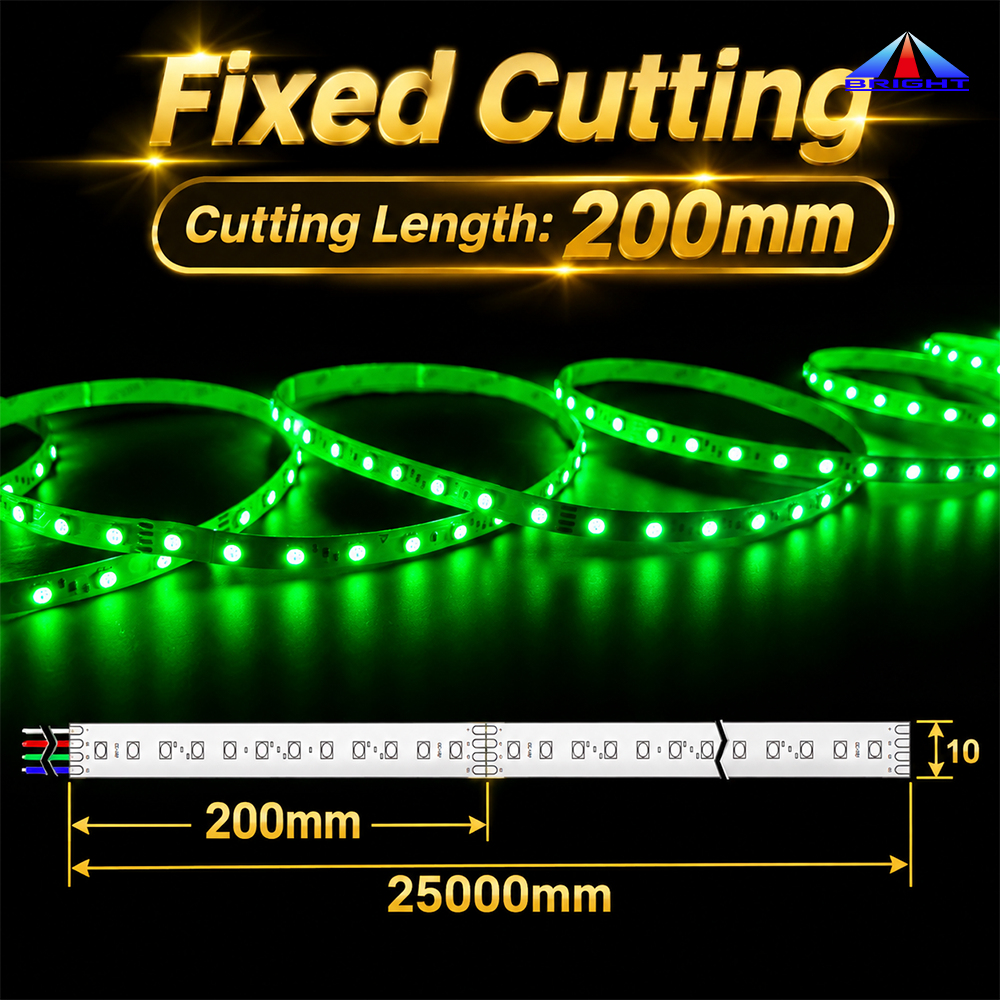
Long architectural runs across resort pathways or perimeter walls in Kiribati often suffer from severe line voltage drop on standard 12V system runs. Our DC48V 5050 RGB/RGBW tapes extend single-feed continuous runs up to 20 meters without lumen or color shift.
3oz Rolled Annealed Copper FPCB
High ambient island temperatures require rapid heat dissipation. We engineer our strips with 3oz double-sided heavy copper substrate, lowering junction temperatures by up to 18°C and ensuring full 50,000-hour L70 lifespan compliance.
Localized Application Scenarios in Bikenibeu & South Tarawa
To achieve optimal energy performance and high aesthetic value in Bikenibeu's commercial and public sectors, lighting fixtures must be customized to specific architectural use-cases. Below are the predominant localized engineering applications:
1. Lagoon Eco-Resort Mood & Pathway Accent Lighting
Hospitality venues along the South Tarawa coast require soft, continuous perimeter ambient lighting along overwater bungalows, boardwalk walkways, and outdoor lounge salas.
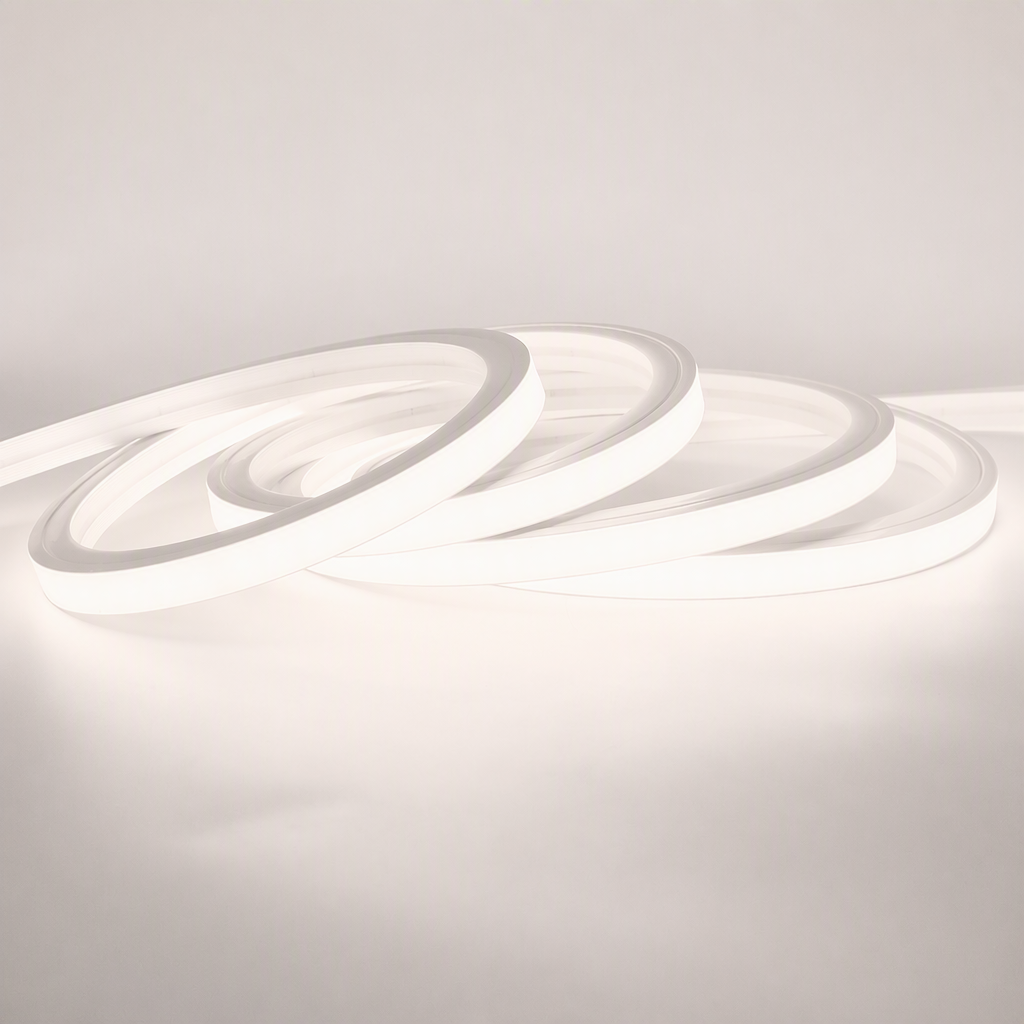
- Recommended Solution: IP66/IP67 Square Silicone Neon Flex (SMD2835) or DC48V 5050 RGBW Tape.
- Technical Benefit: Continuous non-pixelated neon glow eliminates glare for guests while silicone jackets resist marine biological growth and salt fouling.
2. Translucent Stone & Countertop Backlighting in Commercial Buildings
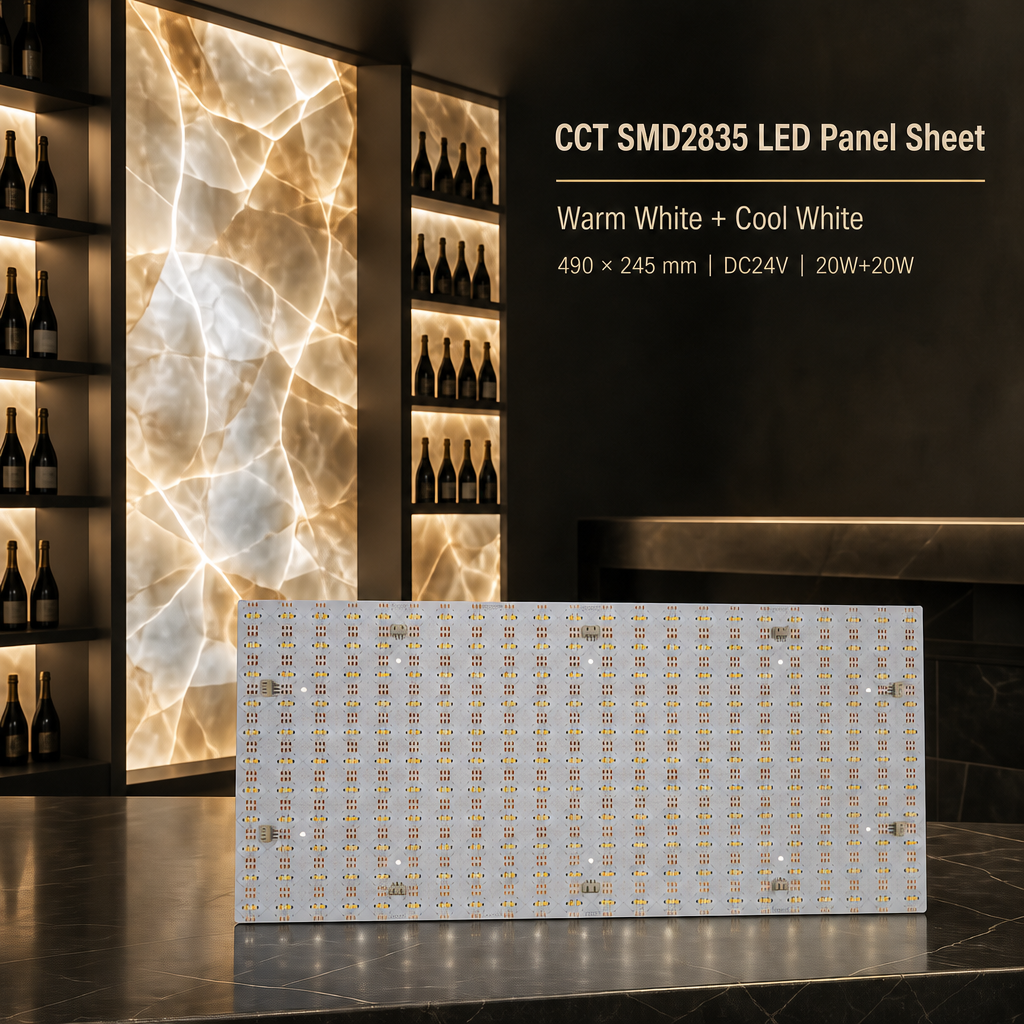
Modern hotel reception desks, civic council chambers, and high-end dining venues in Bikenibeu increasingly integrate backlit local shell-stone, imported marble, and onyx features.
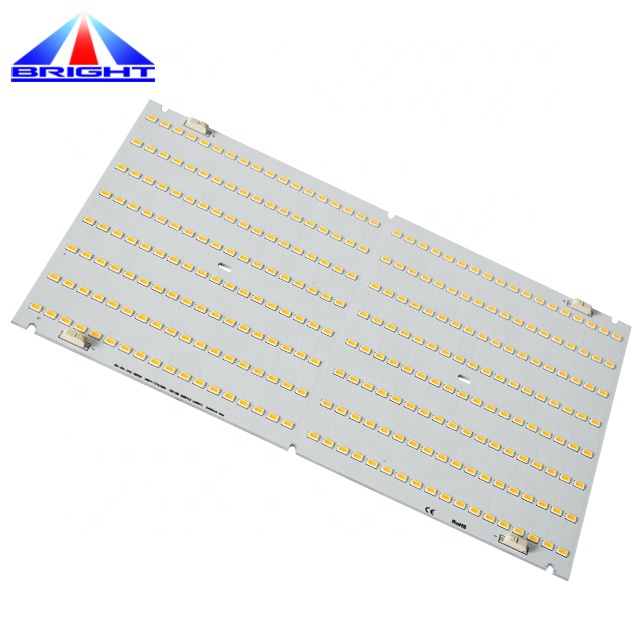
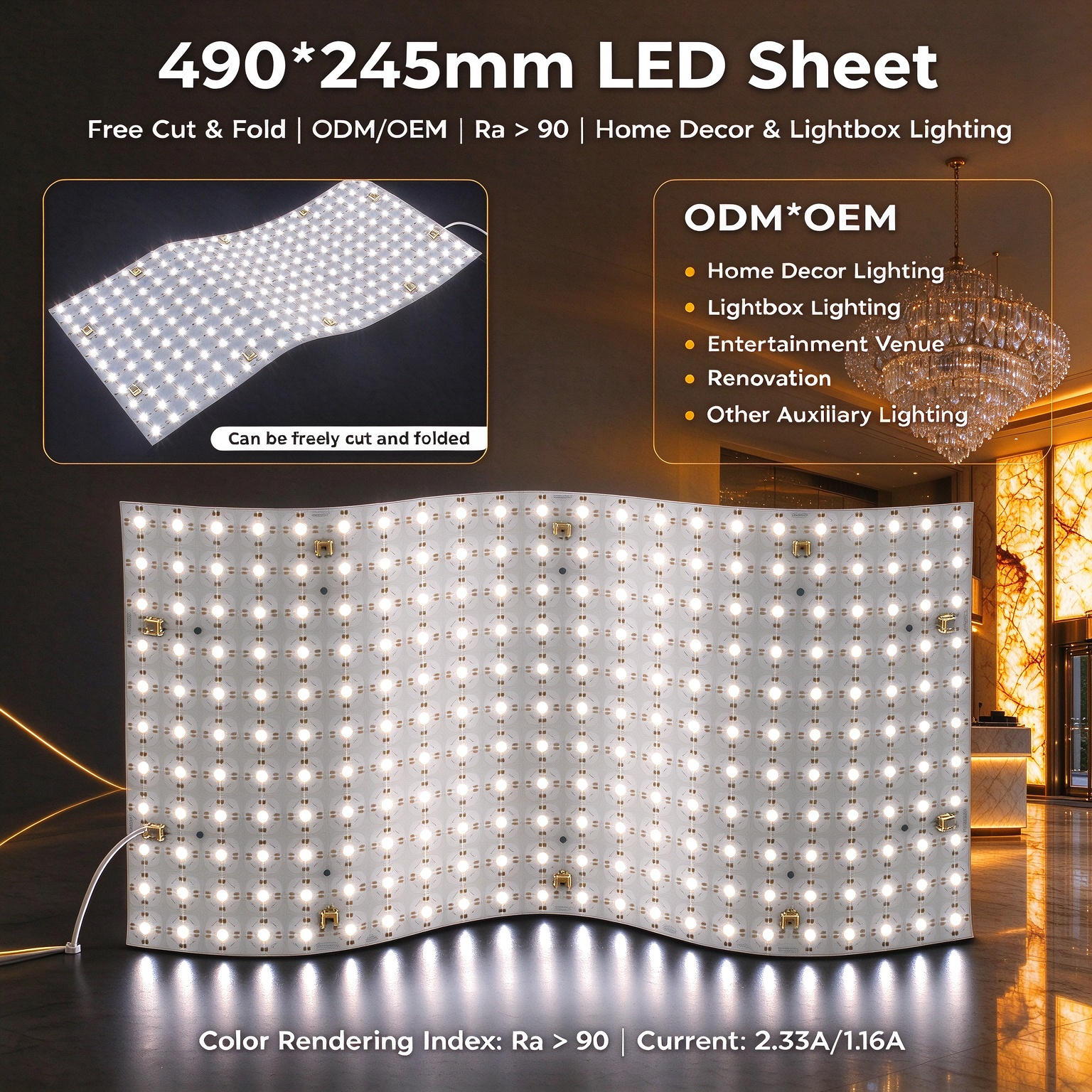
- Recommended Solution: Flexible Tunable White LED Sheet (DC24V 40W) or 242 LEDs Flexible Cuttable Sheet.
- Technical Benefit: Grid-arrayed LEDs can be field-cut with scissors around organic architectural curves and columns, delivering perfectly smooth light without hot spots.
3. Off-Grid Solar-Assisted Perimeter & Marine Signage
Due to the constraints of local diesel grid capacity in Kiribati, major infrastructure projects rely heavily on battery storage and solar photovoltaic integration.
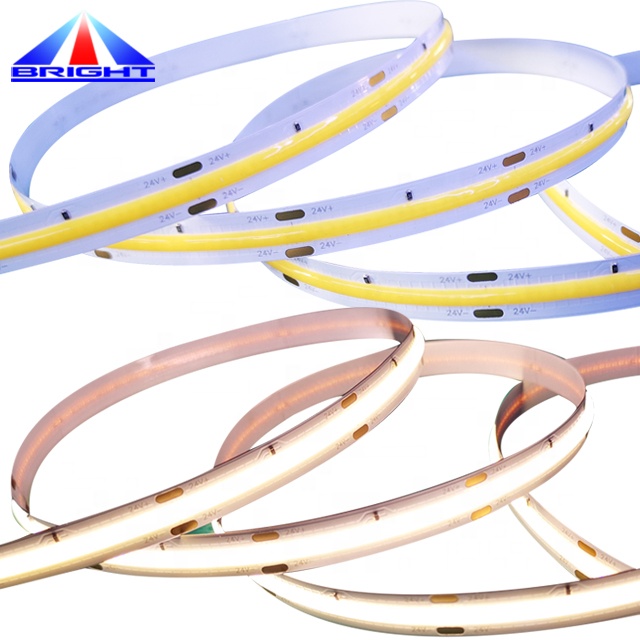
- Recommended Solution: High-Efficiency FCOB LED Strips (DC12V/DC24V).
- Technical Benefit: Flip-Chip-on-Board technology achieves high luminous efficiency (up to 120 lm/W), reducing current draw on battery storage systems during dark hours.
4. Dynamic Stage, Entertainment & Public Event Venues
Cultural halls and entertainment lounges require color-chasing, programmable pixel control for events, local festivals, and theatrical stage displays.
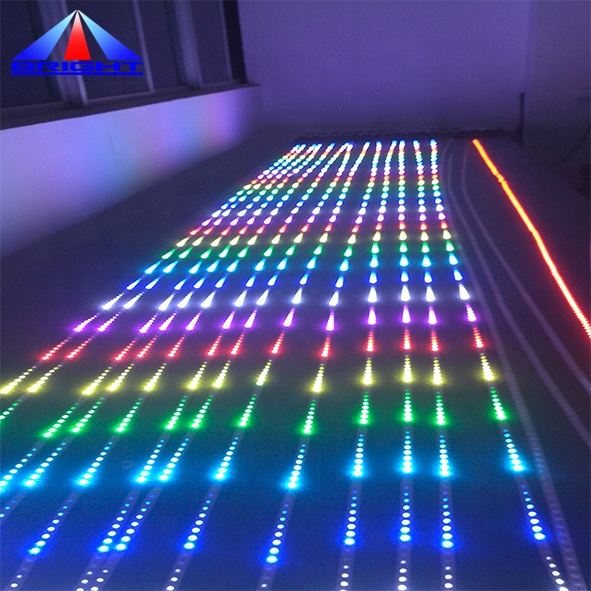
- Recommended Solution: DC12V WS2815 Addressable Break-Point LED Strip.
- Technical Benefit: Dual-signal data lines ensure that if a single LED pixel suffers physical damage, signal transmission continues uninterrupted across the remainder of the strip.
Regional Procurement & Technology Trends in Kiribati
Evaluating the historical evolution of linear illumination in Bikenibeu reveals a structural shift driven by durability demands and energy economics across the Pacific Islands:
| Technology Generation | Typical Specs | Local Performance in Bikenibeu | Current Market Status |
|---|---|---|---|
| Gen 1: Glass Neon & PVC Rope Light | 220V AC, PVC Shell, Low CRI (<70) | High breakage rate in transit; fast yellowing due to UV radiation; high power consumption. | Obsolete |
| Gen 2: Discrete SMD Tapes (5050 / 3528) | DC12V, Epoxy Glue Coating (IP65) | Epoxy layer turns yellow and cracks under heat; visible light dots require deep diffuser profiles. | Phase-Out |
| Gen 3: High-CRI SMD & Silicone Neon | DC24V, CRI 90+, Solid Silicone Extrusion | Excellent resistance to humidity and salt fog; uniform diffused aesthetic for hospitality. | Standard Sourcing |
| Gen 4: Dotless FCOB & Cuttable LED Sheets | DC24V/DC48V, 576+ chips/m, Flexible Matrix | Zero hotspotting, ultra-shallow mounting profiles, superior thermal management for hot climates. | Preferred Future Standard |
Key market data indicates that B2B importers in South Tarawa are increasingly eliminating mid-tier middlemen and establishing direct OEM/ODM supply chains with verified R&D manufacturers in Shenzhen to obtain custom PCB layouts, certified IP68 water protection, and factory-backed warranties.
Factory Verification & OEM/ODM Engineering Strengths
Sourcing directly from a verified manufacturing facility ensures technical compliance, exact color binning (3-Step MacAdam Ellipse), and reliable bulk logistics for projects across Oceania.
TÜV Rheinland Audited
Shenzhen Covek Lighting Co., Ltd. (founded in 2011) operates a 5,175 m² facility with 133 specialized staff. Our plant undergo regular third-party onsite inspections by TÜV Rheinland to guarantee production integrity.
Strict Quality Control System
Operating under an ISO 9001 certified quality system, 100% of finished reels undergo 4-hour high-voltage and thermal burn-in testing prior to vacuum packaging. Every batch carries full CE, RoHS, EMC, and UL compliance documentation.
Full OEM / ODM Capability
Our R&D engineering team launches 20 to 50 new customized SKUs monthly. We provide tailored PCB widths (from 3mm ultra-narrow to 500mm wide flex sheets), custom CCT binning, bespoke IP ratings, and buyer-labeled packaging.
Frequently Asked Questions for Buyers in Bikenibeu
Addressing essential technical and commercial questions regarding logistics, product specifications, and custom manufacturing orders to Kiribati.
Partner with a TÜV-Verified LED Manufacturer Today
Whether you are engineering a resort development in Bikenibeu, stocking an electrical wholesale house in South Tarawa, or requiring custom cuttable LED sheets for architectural backlighting, our engineering team is ready to assist.
Send an Inquiry