Wholesale LED Modules for Commercial Cultivation & AgTech
Engineered for vertical farms, plant tissue labs, greenhouse inter-canopy lighting, and research climate chambers across Tartu and Southern Estonia.
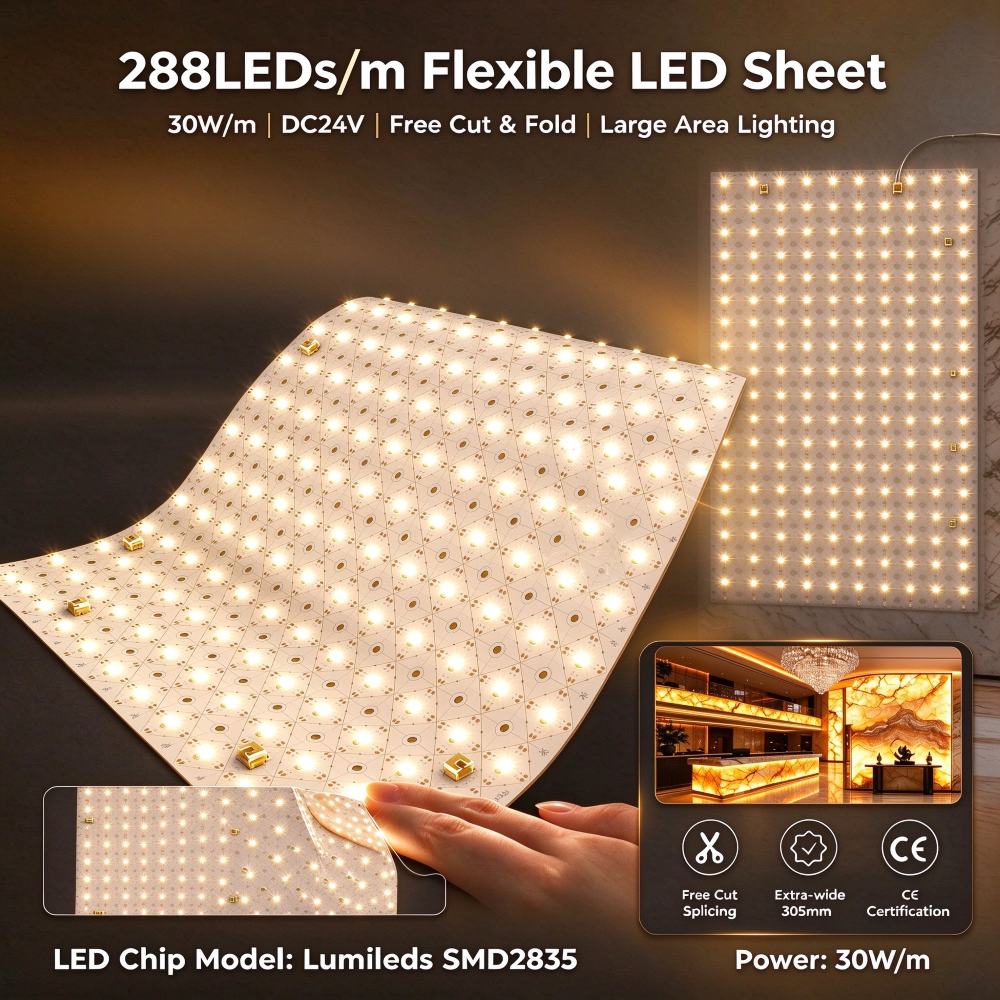
Flexible 610*305mm LED Sheet LED Backlighting Panel Light DC24V 288leds 2700K 3000K 6000K for Propagation Racks
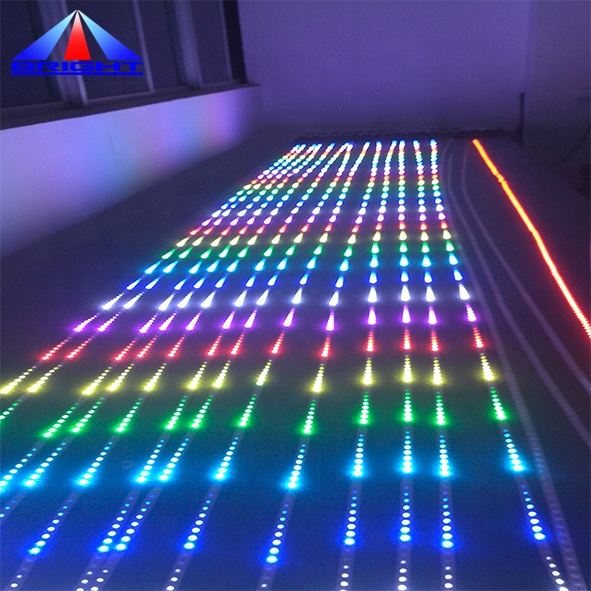
DC12V Addressable Led Strip with WS2815 60 Led/M One Led One Pixels for Research Climate Chambers
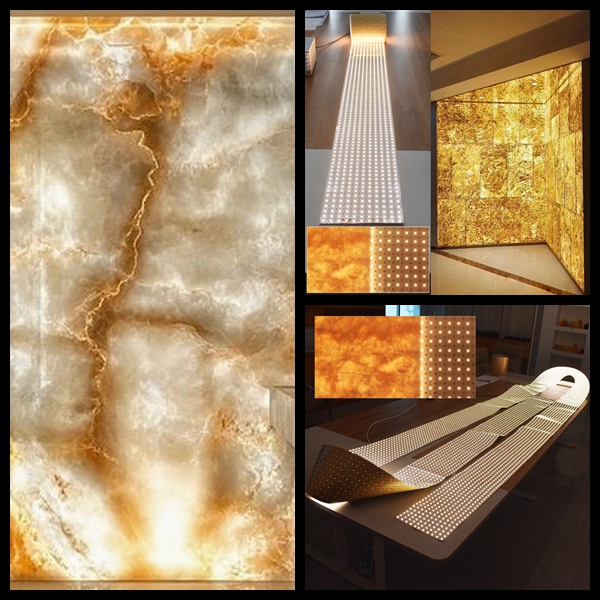
DC24V 10M Ultra Long Flexible SMD2835 LED Sheet Panel 528 LEDs High Lumen Backlight No Voltage Drop CRI 90

DC48V Warm White and Cold White CCT LED Strip Long USE Design High Brightness and Smart Control by Wifi/Zigbee
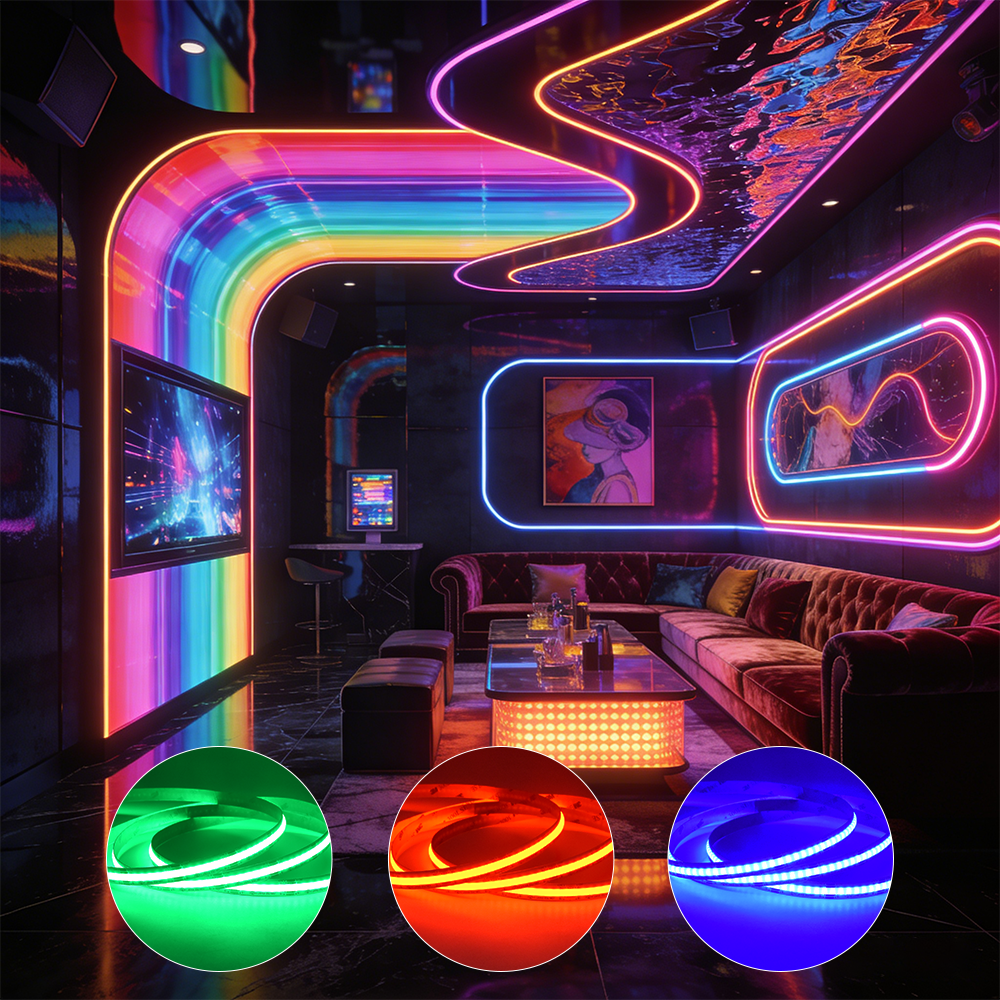
DC 24V RGB COB LED Strip 10mm 672 Chips Per Meter Flexible Cuttable IP67 Waterproof FPC Copper Bar
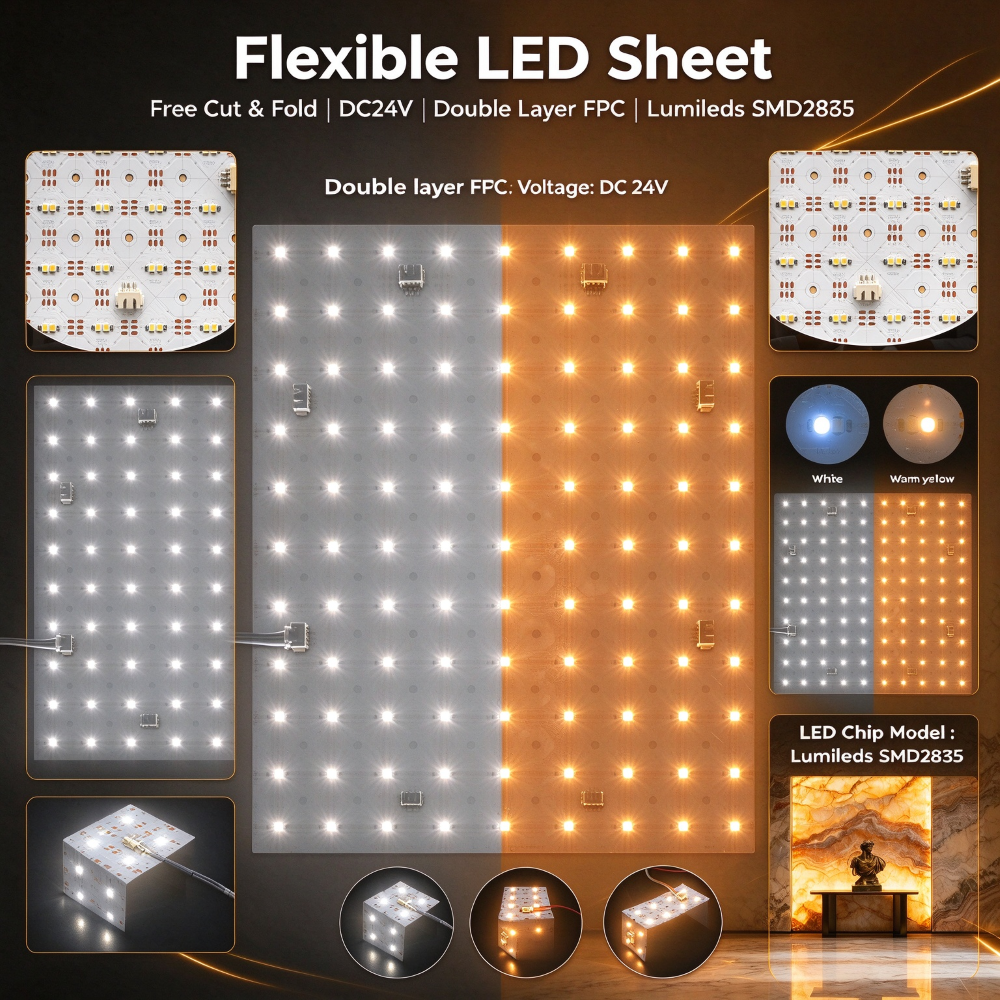
Flexible 250*250mm Cuttable LED Sheet Light DC24V 16W SMD2835 Dual Color 2700K+6500K IP20 IP54 Slab Lighting

Flexible RGB Magic LED Neon Strip 25mm Diameter 360 Degree Light IP67 Rating DC24V SPI Effectful Lighting
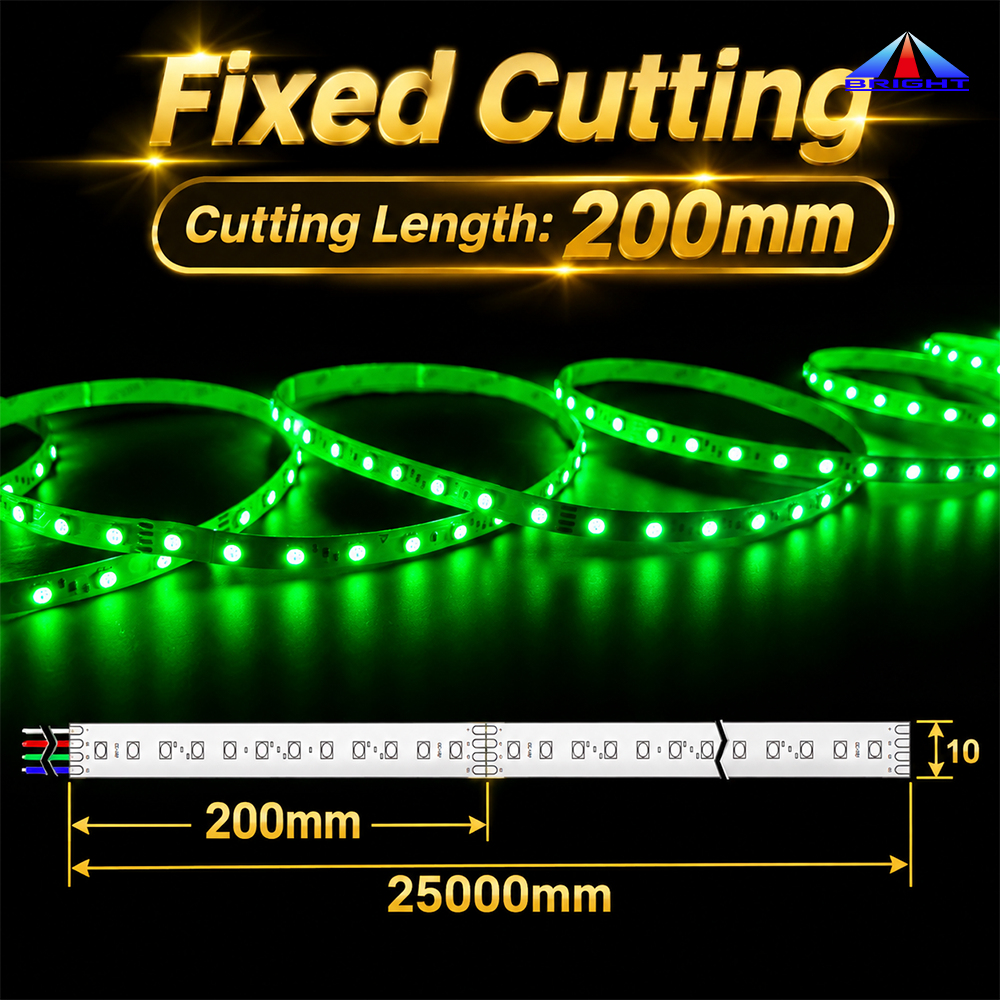
5050 RGB/RGBW LED Strip DC48V 10mm 60LEDs/m IP20 IP68 Waterproof Continuous Flex Tape for Growing Tunnels
Whitepaper: Optimizing Indoor Agriculture & Supplemental Greenhouse Lighting in Tartu
As the recognized academic and agricultural research hub of Estonia, Tartu stands at the forefront of Northern Europe's AgTech transformation. Home to the prestigious Estonian University of Life Sciences (Eesti Maaülikool) and numerous high-tech indoor farming ventures in Tartu County (Tartu maakond), local commercial growers face a unique set of microclimatic and economic constraints. Located at a latitude of ~58.37°N, Southern Estonia experiences dramatic seasonal photoperiod swings—ranging from over 18 hours of midsummer sunlight down to fewer than 6 hours of weak daylight during December and January.
"In Baltic Controlled Environment Agriculture (CEA), energy efficiency is not merely an operational metric—it dictates commercial survival. Transitioning from legacy High-Pressure Sodium (HPS) to targeted-spectrum solid-state LED systems yields up to 48% energy reductions while maintaining daily light integrals (DLI) required for year-round yield predictability."
1. The Southern Estonian Climate & Photoperiod Challenge
Commercial horticultural operations in locations like Luunja, Supilinn, and Raadi require artificial lighting capable of delivering high Photosynthetic Photon Flux Density (PPFD) without introducing excessive thermal loads into highly insulated building envelopes. During winter months, natural solar DLI in Tartu drops below 3 to 5 mol/m²/day. To achieve optimal biomass production for crops such as leafy greens (requiring 14–17 mol/m²/day), strawberries, and medicinal herbs, growers must supply 12 to 16 hours of continuous supplemental photons daily.
With Nord Pool Baltic electricity spot prices exhibiting periodic volatility, local agricultural operations cannot afford inefficient luminaires. Conventional broad-spectrum fixtures bleed energy in unabsorbed green-yellow wavelengths (560–580nm) or generate excessive convective heat. Modern horticulture LED strips and rigid flex sheets from direct manufacturing suppliers allow targeted spectral tailoring—optimizing Photosynthetic Photon Efficacy (PPE up to 3.2 µmol/J) specifically for absorption peaks at Chlorophyll A (430nm and 662nm) and Chlorophyll B (453nm and 642nm).
2. Spectral Engineering for Nordic Indoor Agriculture
Sourcing horticulture LED fixtures in Tartu requires an understanding of photomorphogenesis—how specific wavelengths alter plant architecture, leaf expansion, and secondary metabolite accumulation:
- Deep Red (660nm) & Far-Red (730nm): Critical for driving Photosystem II and I (Emerson Enhancement Effect). Incorporating 730nm far-red during stem elongation accelerates vegetative biomass and promotes early flowering response in shade-avoidance crop varieties.
- Royal Blue (450nm): Prevents excessive stem elongation ("stretching"), regulates stomatal opening for CO2 assimilation, and promotes cryptochrome activity for dense, compact foliage in vertical farming shelves.
- Broad-Spectrum Balanced White (4000K/6000K, CRI 90+): Essential for high-wire greenhouse workers and tissue culture visual inspections. Provides green photon penetration deep into lower canopy leaves, driving photosynthesis where red/blue light is attenuated.
3. Technical Matrix: Standard Commercial LED Strips vs. Purpose-Built Horticultural Architectures
| Technical Parameter | Standard Commercial Strips | Industrial Horticultural LED Sheets / Strips | Impact on Tartu CEA Operations |
|---|---|---|---|
| Photon Efficacy (PPE) | 1.2 – 1.8 µmol/J | 2.8 – 3.2 µmol/J | Directly lowers kWh energy cost per kg of harvested biomass. |
| Spectral Output | Broad Phosphor White (Fixed CCT) | Targeted PAR / ePAR (400–750nm) | Maximizes Chlorophyll A/B absorption; avoids wasted spectrum. |
| Voltage Architecture | 12V DC (High Line Drop) | 24V DC / 48V DC Constant Current | Allows 10m to 20m uninterrupted runs across vertical racks. |
| Ingress Protection | IP20 or Low Polyurethane Gel | IP67 / IP68 Liquid Silicone Co-Extrusion | Resists foliar spraying, automated misting, and high humidity. |
| Substrate PCB Thermal Conductivity | 1.0 W/m·K Fr4 / 1oz Copper | 3.0 W/m·K Aluminum / 3oz Heavy Copper | Keeps diode junction temperature low, extending lifetime past 50,000h. |
4. Solving the Voltage Drop & Thermal Dissipation Dilemma in Vertical Multi-Tier Racks
In high-density indoor vertical farms across Estonia, rack heights often reach 6 to 10 meters with shelf lengths extending over 12 meters. Standard 12V DC strips experience severe voltage drop past 5 meters, resulting in dimming at the far end of the growing bed. This creates uneven PPFD distribution, causing inconsistent plant growth rates and staggered harvest cycles.
To solve this, Shenzhen Covek Lighting engineers 24V and 48V low-voltage drop flexible LED sheets and FCOB continuous strips utilizing 3oz heavy copper printed circuit boards (PCBs). By doubling or quadrupling operating voltage, operating current is drastically reduced—eliminating end-to-end brightness degradation and enabling power feed points every 10 to 20 meters.
Tailored Lighting Implementations in Tartu
Deploying robust, IP-rated LED technology across specialized regional agricultural facilities.
Multi-Tier Vertical Microgreen Farms
Ultra-slim 24V flexible LED sheets mounted under shelf layers provide zero-hotspot, uniform PPFD across propagation trays in urban container farms throughout Tartu.
Plant Tissue Culture & Seedling Labs
Controlled CCT dual-color LED sheets provide low-thermal illumination inside sterile tissue culture cabinets, safeguarding agar cultures against heat accumulation.
Inter-Canopy Greenhouse Supplementation
IP68 rated 48V continuous COB strips placed within dense tomato and cucumber canopies in Luunja greenhouses deliver lateral light to lower foliage during grey Baltic winters.
Trends & Regulatory Compliance for Tartu LED Distributors & Contractors
Procuring LED horticultural lighting within the European Union requires strict adherence to safety, electromagnetic compatibility, and environmental sustainability standards. Sourcing directly from certified manufacturers ensures seamless customs clearance at Estonian ports and compliance with EU project submittal guidelines:
Localized Development Trends in Tartu Agritech (2025–2030)
The integration of Smart Control Protocols (DALI-2, Zigbee 3.0, Wi-Fi 6, and SPI Pixel Control) is rapidly becoming standard across Southern Estonia's commercial indoor facilities. Modern systems dynamically adjust light intensity and spectrum based on real-time electricity tariff signals from Nord Pool. When spot prices peak, smart controllers automatically throttle back PPFD levels or shift spectrums to maintain Daily Light Integrals at minimum financial cost.
Shenzhen Covek Lighting Co., Ltd.
Your Verified Direct OEM/ODM Manufacturing Partner
Operating a modern 5,175 m² facility with 133 highly trained specialists in Longhua District, Shenzhen, Covek Lighting provides complete OEM/ODM manufacturing for global importers, distributors, and AgTech engineering contractors. Equipped with automated SMT placement lines, continuous silicone extrusion workshops, and precision integrating sphere spectrophotometers, every batch is 100% burn-in tested before export.
Frequently Asked Questions for Buyers in Tartu
Answers to common commercial questions regarding shipping, customization, warranties, and technical support.