Featured Pixel & Addressable LED Solutions
Tested and certified addressable tape, flexible sheets, and silicone neon flex for commercial lighting installations and architectural applications.
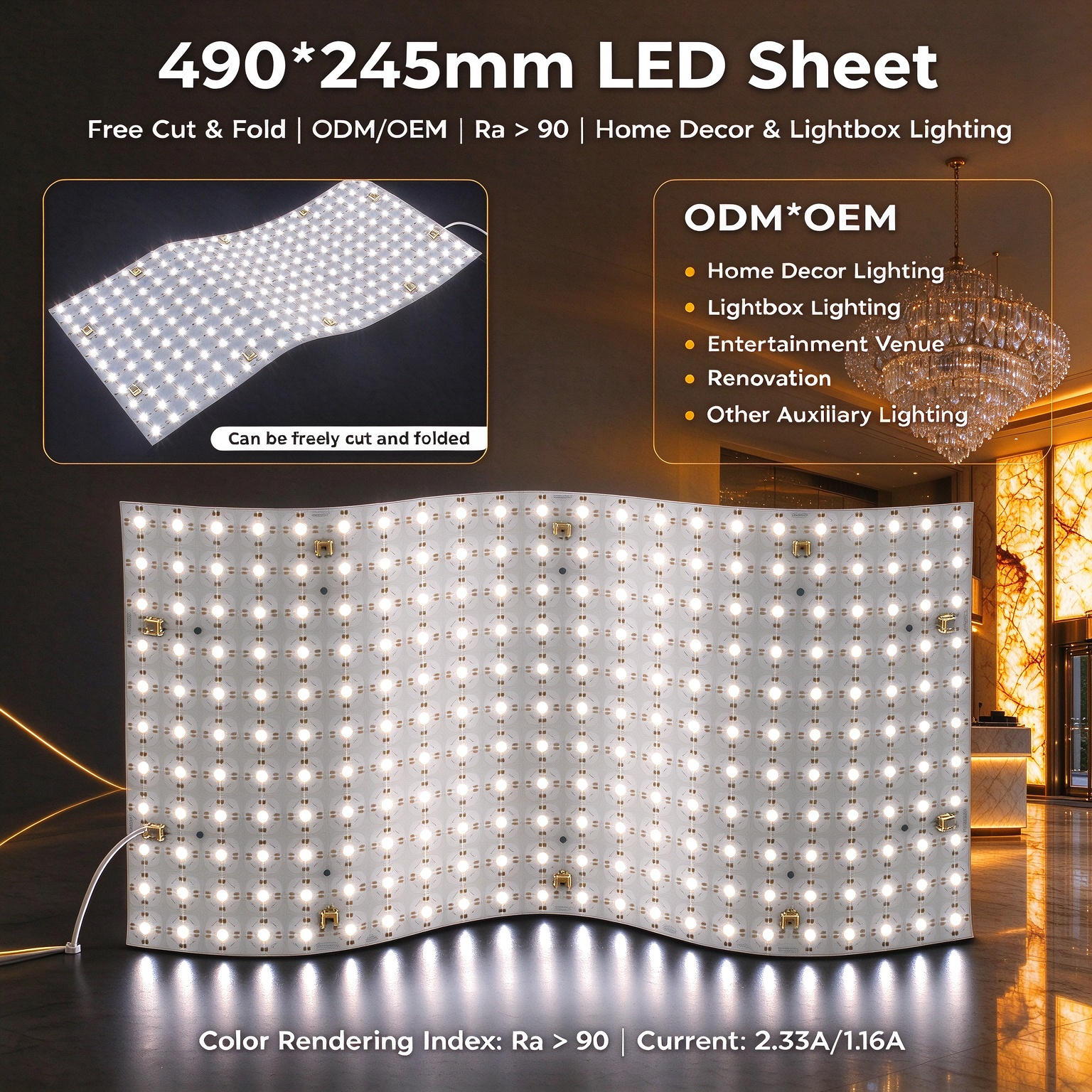

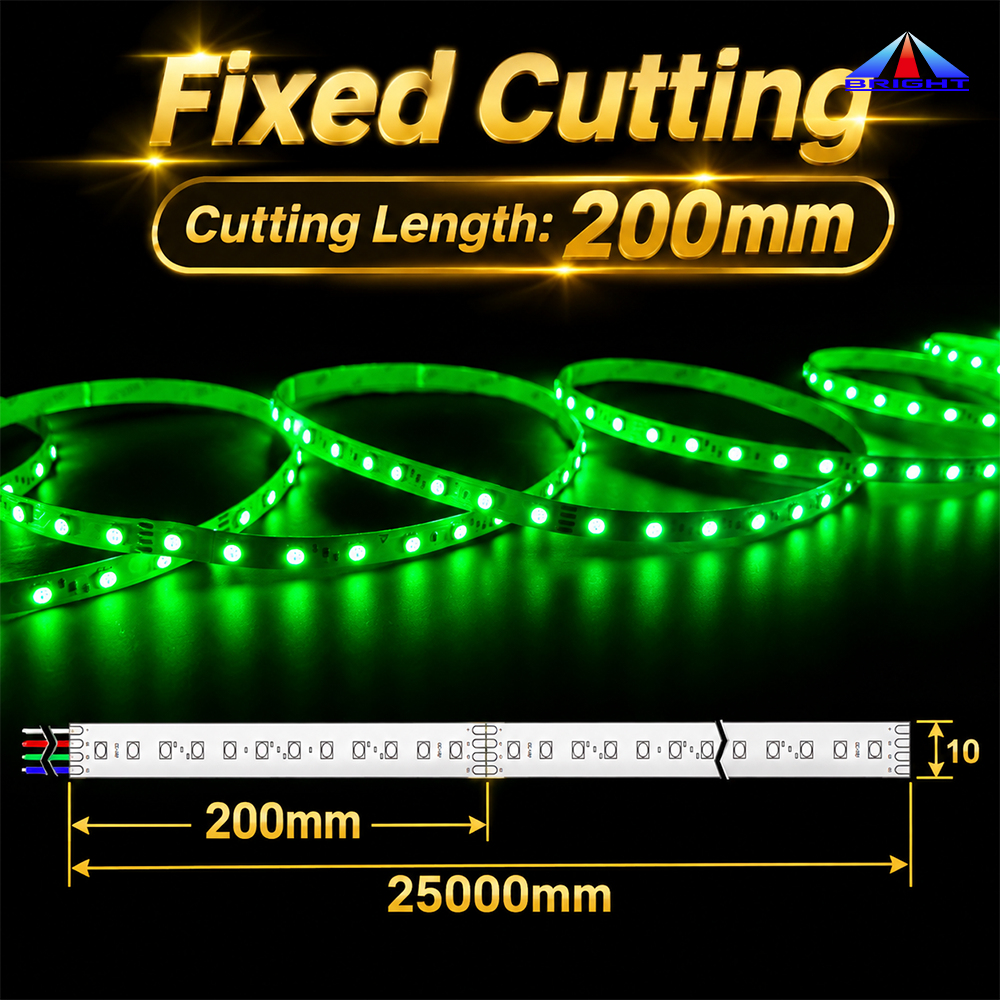
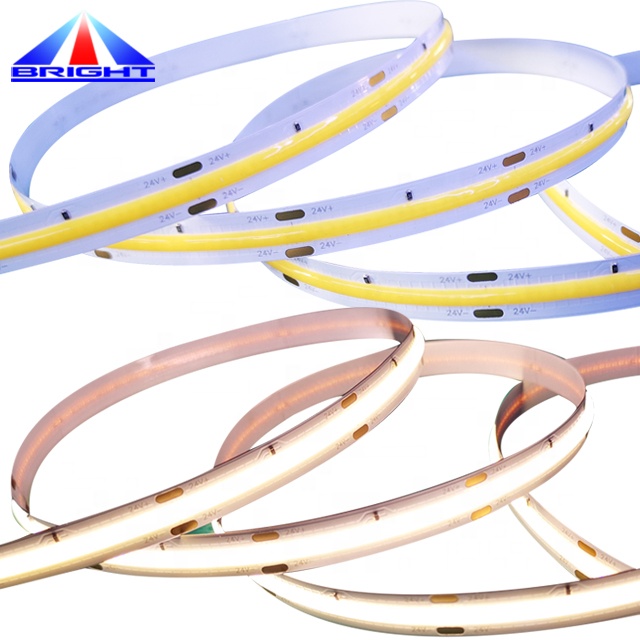
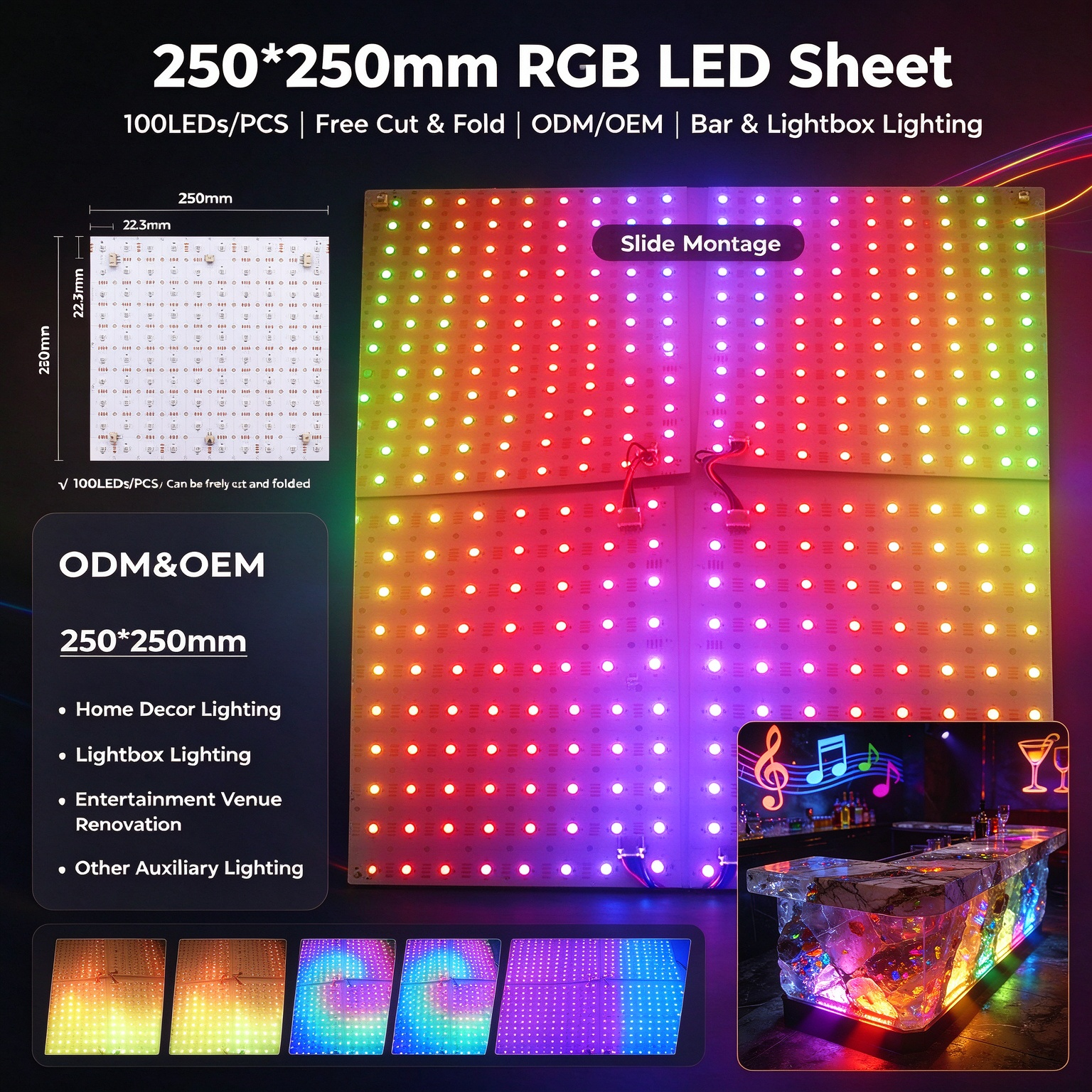
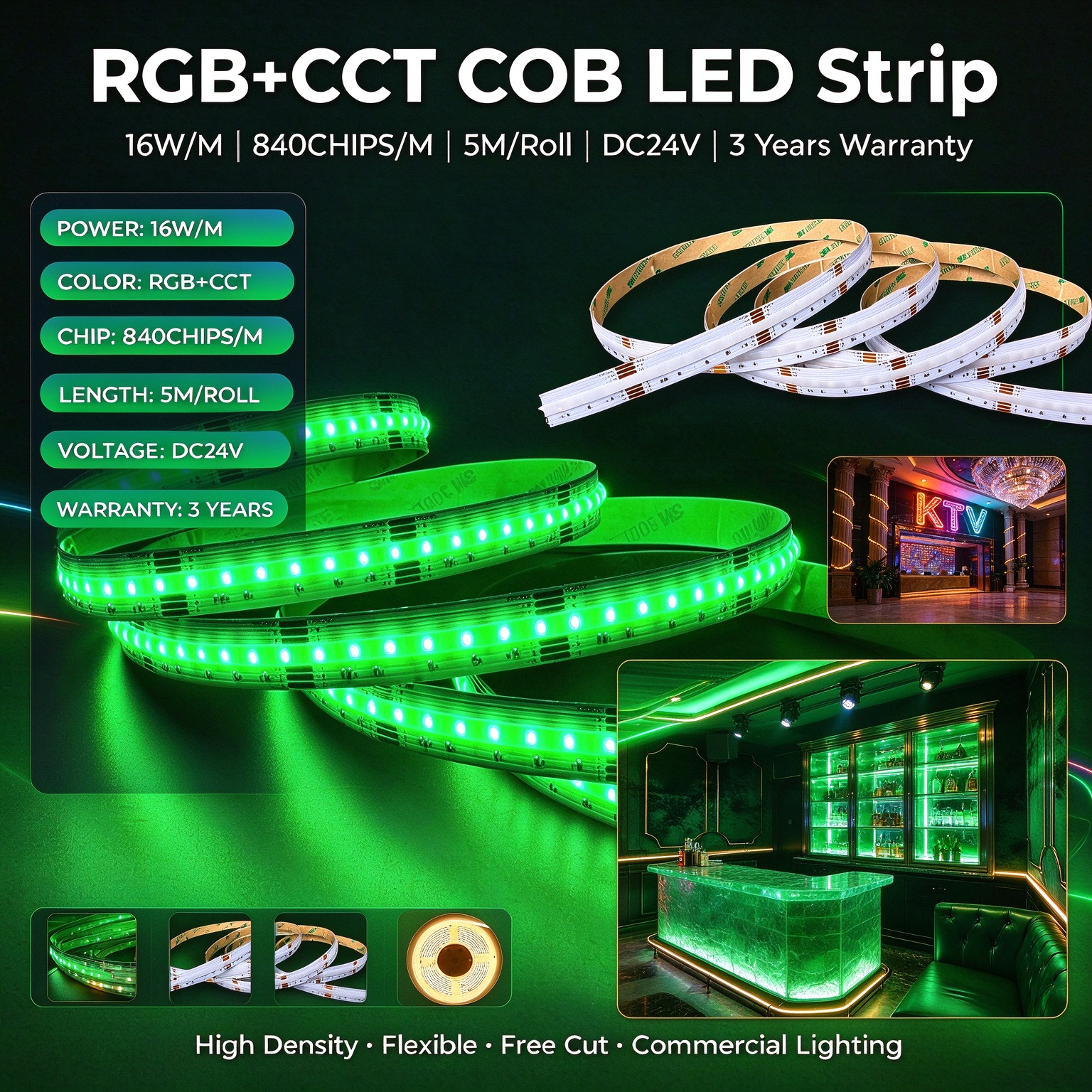
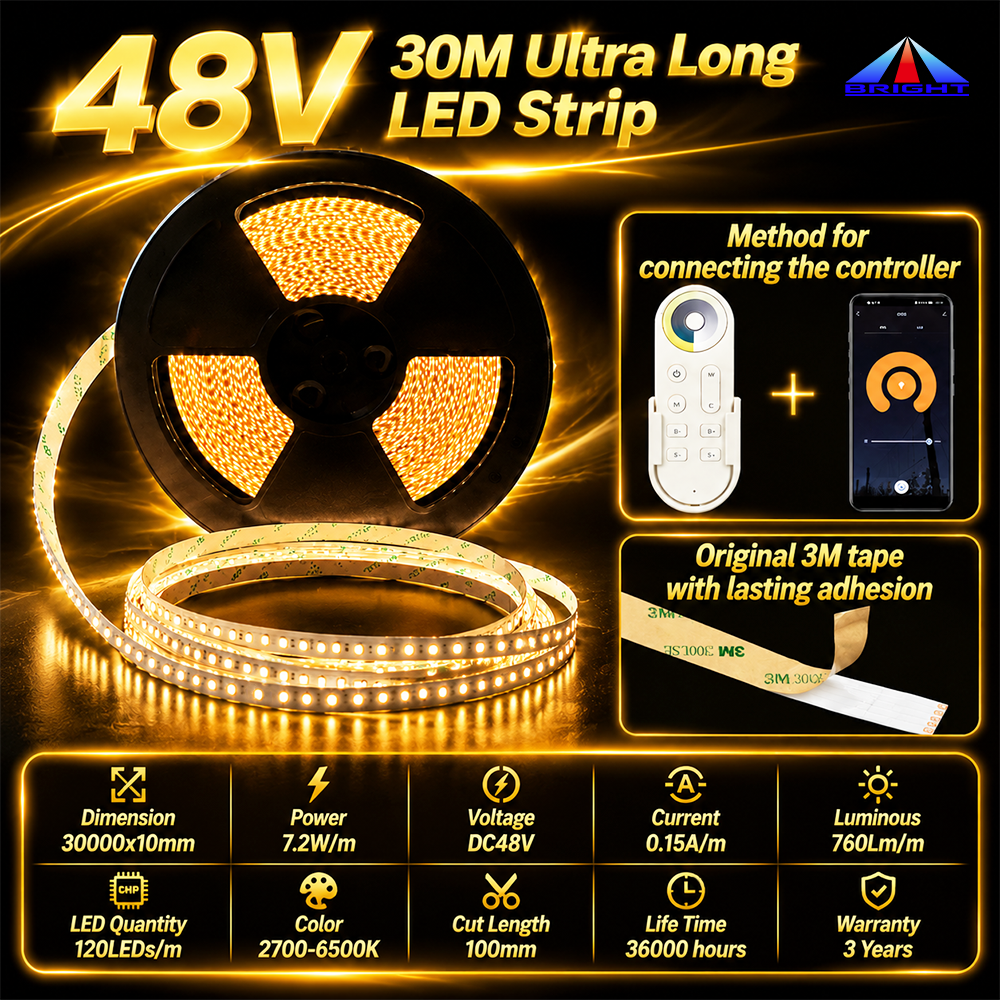
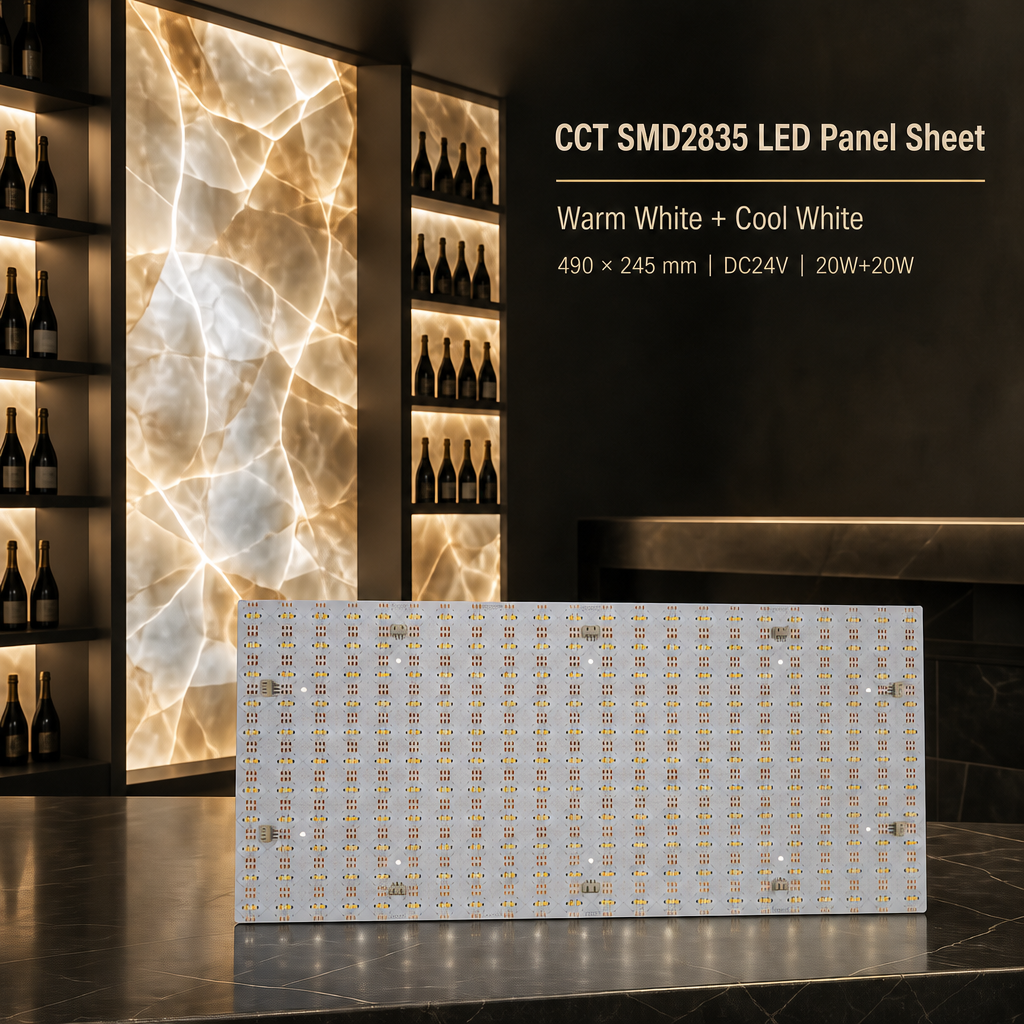
Engineering Excellence in Addressable Pixel LED Strip Architecture
A strategic evaluation guide for lighting designers, distributors, and OEM purchasing managers seeking reliable pixel lighting systems.
As modern architectural spaces, dynamic retail facades, hospitality environments, and entertainment venues evolve beyond static illumination, Pixel LED strips (Addressable RGB/RGBW/RGBCCT LED tapes) have become the dominant vector for immersive visual experiences. Unlike traditional analog flexible light strips—where every LED diode along a circuit run shares identical color and dimming commands—pixel LED strips feature integrated circuit (IC) microcontrollers that enable individual diode or segment control. This granularity allows lighting engineers to program dynamic chase sequences, complex media mapping, gradient color waves, and spatial lighting effects using SPI (Serial Peripheral Interface) or DMX512 protocols.
1. Microcontroller Protocols & IC Chip Architecture Benchmark
Selecting the optimal Integrated Circuit (IC) protocol is fundamental to system stability, refreshing frequency, and installation longevity. Wholesalers and engineering contractors must evaluate IC protocols across four critical dimensions: voltage rating, data transmission speed, signal redundancy, and color depth capability.
- External IC vs. Built-in IC (Embedded Flip-Chip Packaging): External IC strips (such as WS2811 or TM1814) mount discrete microcontrollers directly onto the flexible printed circuit board (FPC). While cost-effective, they require wider FPC widths and larger cutting intervals (typically 3 or 6 LEDs per pixel). Conversely, built-in ICs (like SK6812, WS2812B, or embedded COB ICs) encapsulate the microcontroller within the 5050/3535 LED package or phosphor layer, enabling 1-LED-to-1-pixel density, superior thermal dissipation, and ultra-compact FPC footprints down to 4mm.
- Dual-Data Backup Signal Lines (Break-Point Continuous Transmission): Legacy protocols rely on single data-line topology (DAT). If an individual LED or IC dies, all subsequent pixels downstream lose signal completely. Advanced addressable LED strips employ dual-signal architectures featuring Data (DAT) and Backup Data (BIN) channels (e.g., WS2815, GS8208). If a single pixel suffers physical damage, the secondary line routes control signals around the defective chip without interrupting the visual timeline.
- DMX512 Direct Drive vs. SPI Converters: For commercial stage and architectural facade projects integrated into building automation systems (BAS), direct DMX512/RDM addressable strips eliminate the need for intermediate SPI-to-DMX decoders. Direct DMX ICs accept RS485 differential signals over extended distances, mitigating electromagnetic interference across complex wire runs.
| IC Protocol | Voltage Input | Signal Type | Backup Data Line | Max Pixel Density | Primary Application |
|---|---|---|---|---|---|
| WS2811 | 12V / 24V | Single SPI | No | 60 LEDs/m (10-20 Pixels) | Budget Signage & Large Accent Cove Lighting |
| WS2812B / SK6812 | 5V | Single SPI | No | 144 Pixels/m | High-Density Indoor Displays & Wearables |
| WS2815 | 12V | Dual Data (Break-Point) | Yes | 120 Pixels/m | Commercial Interiors & Architectural Accents |
| GS8208 / UCS1903 | 12V / 24V | Dual Data + Auto-Addressing | Yes | 120 Pixels/m | High-End Hospitality & Facade Media Walls |
| DMX512 / UCS512 | 24V / 48V | Differential RS485 DMX | Parallel Channel | 60-120 Pixels/m | Building Facades, Stage, & Smart Cities |
2. Mechanical & Thermal Engineering Standards
High-performance pixel LED strips generate localized thermal stress due to continuous logic operation within embedded microcontrollers. Premium manufacturing requires 3oz or 4oz double-sided rolled-annealed (RA) copper FPCs. Thicker copper layers reduce electrical resistance, drop operating temperature by up to 12°C compared to cheap electro-deposited (ED) copper, and prevent trace cracking during multi-axis bending in custom cabinetry or curved architectural channels.
Future Procurement Trends in Addressable Lighting
Strategic technology shifts reshaping global B2B supply chains, bulk distribution, and project specification standards.
1. Convergence of FCOB & Pixel Technology
The traditional dot pattern of SMD addressable strips is rapidly being superseded by Flip-Chip COB (FCOB) digital strips. By encapsulating continuous phosphor over flip-chip arrays with built-in micro ICs, FCOB pixel strips deliver seamless, spot-free linear illumination without diffuse aluminum extrusions—ideal for shallow millwork and reflective marble counter surfaces.
2. High-Voltage 24V & 48V Pixel Architectures
To eliminate color shift and luminance attenuation over extended distances, global buyers are migrating from legacy 5V/12V strips to constant-current 24V and 48V addressable tape. 48V system topologies cut current draw by 75%, allowing continuous single-ended power feed runs of up to 20 meters without voltage drop or secondary power injection points.
3. Advanced UV-Cured Silicone Extrusion (IP68)
Sourcing standards for outdoor pixel lighting are shifting from yellowing-prone PVC and spray-coated gels toward co-extruded liquid silicone rubber (LSR). UV-stabilized silicone maintains high optical clarity across extreme temperatures (-40°C to +80°C) and delivers IP67/IP68 waterproof ratings for coastal, underwater, and high-salinity architectural environments.
Key Technological Trends Driving Sourcing Decisions
Insights into smart control integration, spectrally accurate white points, and sustainable manufacture.
As the global LED lighting industry accelerates toward smart building ecosystems, addressable LED manufacturing is undergoing three profound technological transformations:
A. Protocol Unification & Matter/Zigbee Integration: Historically, addressable strips required standalone SPI microcontrollers or proprietary RF remotes. Next-generation pixel ICs are natively integrating multi-protocol gateway bridges (Matter over Thread, Zigbee 3.0, Wi-Fi 6, and Bluetooth Mesh). This allows commercial buyers to commission complex addressable strip arrays directly into Apple Home, Google Home, and KNX building automation networks without third-party protocol translators.
B. High Color Fidelity & RGBCCT 5-in-1 Pixel Packaging: The market demand for architectural white light quality alongside dynamic color effects has led to the development of 5-in-1 RGBCCT addressable LED chips. By integrating Red, Green, Blue, Warm White (2700K), and Cool White (6500K) under a single pixel chip, designers achieve high color rendering index metrics (CRI Ra > 90, R9 > 50) for task lighting alongside full dynamic spectrum effects.
C. Automated Reel-to-Reel SMT & Zero-Lead Manufacturing: Lead times and quality consistency are critical for wholesale importers. Advanced manufacturers have transitioned from 0.5-meter manual soldering sectioning to continuous 50-meter reel-to-reel SMT lines. This eliminates manual solder joints—the single largest source of mechanical failure in flexible strips—and improves electrical continuity across bulk production lots.
Why Direct Sourcing from Shenzhen Covek Protects Your Margin
Verified manufacturing infrastructure, stringent quality control systems, and custom OEM capabilities.
TÜV Verified 5,175m² Facility
Founded in 2011 in Longhua District, Shenzhen, Covek operates a modern manufacturing plant verified onsite by TÜV Rheinland. Our 133 skilled technicians operate high-speed SMT lines, automated silicone extrusion, and integrating sphere photometric testing.
Rigorous 3-Step QC & Binning
We ensure MacAdam Ellipse 3-Step binning consistency across all color temperatures. Every production batch undergoes 100% 8-hour high-temperature aging tests, thermal imaging, and IP68 submersion testing prior to export.
Complete Global Compliance
Streamline your customs clearance and compliance submittals. Covek products carry comprehensive CE, RoHS, EMC, UL, ERP, and BIS certification reports produced under an ISO 9001 certified quality system.
Full OEM/ODM Engineering
Our in-house R&D team releases 20 to 50 custom innovations monthly. We offer bespoke PCB circuit design, custom cut length configurations, specialized IC firmware programming, and buyer-brand private labeling.
Export Trade Capacity
Exporting over US$1.32M annually across North America and Europe, Covek supports flexible payment terms (T/T, L/C, PayPal) and trade terms (FOB, EXW, DDP express) with rapid 24-hour response SLAs.
Comprehensive Product Range
From 3mm ultra-narrow COB tapes and 360-degree round silicone neon flex to heavy-duty cuttable marble backlight panels and 48V addressable architectural lights—we cover all commercial needs.
Pixel LED Strip Procurement FAQ
Detailed technical and commercial answers addressing common engineering challenges faced by B2B buyers.
Our standard stocked addressable strips and cuttable LED sheet panels feature an MOQ starting at 5 meters or 1 piece for evaluation sampling. For custom OEM specifications—such as modified PCB copper widths, non-standard IC protocols (e.g., direct DMX512 co-extrusion), or specialized IP68 outdoor silicone sleeving—the typical production MOQ ranges from 100 to 200 meters depending on raw material setup requirements.
To ensure stable pixel IC performance and prevent color degradation (where white light shifts toward pink/red at the tail end), we recommend sizing power supplies with a 20% safety margin above maximum rated wattage. For 5V and 12V single-ended runs exceeding 5 meters, power injection is mandatory every 5 meters. Alternatively, specifying 24V or 48V constant-current pixel strips allows continuous single-ended runs up to 15-20 meters without injection point requirements.
SPI (Serial Peripheral Interface) uses TTL single-ended signals (DAT/CLK) designed for shorter wiring distances between the controller and the first pixel (typically under 10 meters without signal amplifiers). DMX512 uses differential RS485 voltage signals that travel up to 300 meters over shielded twisted-pair wire without interference. For large architectural facades and venue lighting integrated into grandMA or Art-Net networks, direct DMX IC strips offer superior industrial reliability.
For dry indoor coves and millwork, IP20 or IP54 non-waterproof tape is sufficient. For outdoor architectural facades, landscape accents, or neon signage exposed to rain and ambient dust, IP67 silicone co-extrusion is required. For underwater submersion (such as fountains, swimming pools, or wet boat decks), specify IP68 solid silicone-filled extrusions featuring factory-sealed injection molded end caps and waterproof IP68 connectors.
Legacy single-data-line chips create operational risks in commercial installations because a single component failure breaks the data path for all subsequent LEDs. Dual-data ICs (WS2815/GS8208) feature a primary data line and a secondary bypass line. If an individual pixel suffers mechanical damage or ESD failure, the control signal automatically routes around it, preserving 99% of the installation's visual output without emergency maintenance calls.
All standard Covek LED products include a comprehensive 3-year factory warranty backed by ISO 9001 quality management procedures. Orders ship with complete testing documentation including integrating sphere photometrics, spectroradiometer CCT logs, and EMC/CE/RoHS compliance certificates required by European and North American customs authorities. In the rare event of a verified quality defect, replacement materials are dispatched immediately.
Partner with a Verified Pixel LED Strip Factory
Direct factory pricing, engineering design support, custom IC programming, and TÜV-inspected quality control for your next wholesale order or architectural project.